




Aerospace Parts Manufacturing: Key Machining Processes, Materials, and Quality Considerations
Introduction
The aerospace industry requires components with extremely high precision, excellent strength-to-weight ratios, and outstanding reliability. From aircraft structural parts and engine components to UAV assemblies and satellite equipment, every aerospace component must meet strict requirements for accuracy, durability, and performance.
Unlike conventional mechanical parts, aerospace components often feature complex geometries, lightweight structures, thin walls, deep cavities, and multi-angle surfaces, making advanced CNC machining technologies essential for aerospace manufacturing.
With advanced 5-axis CNC machining capabilities, manufacturers can produce complex aerospace parts with fewer setups, improved accuracy, and shorter production cycles.
1. Common Manufacturing Processes for Aerospace Components
1.1 5-Axis CNC Machining
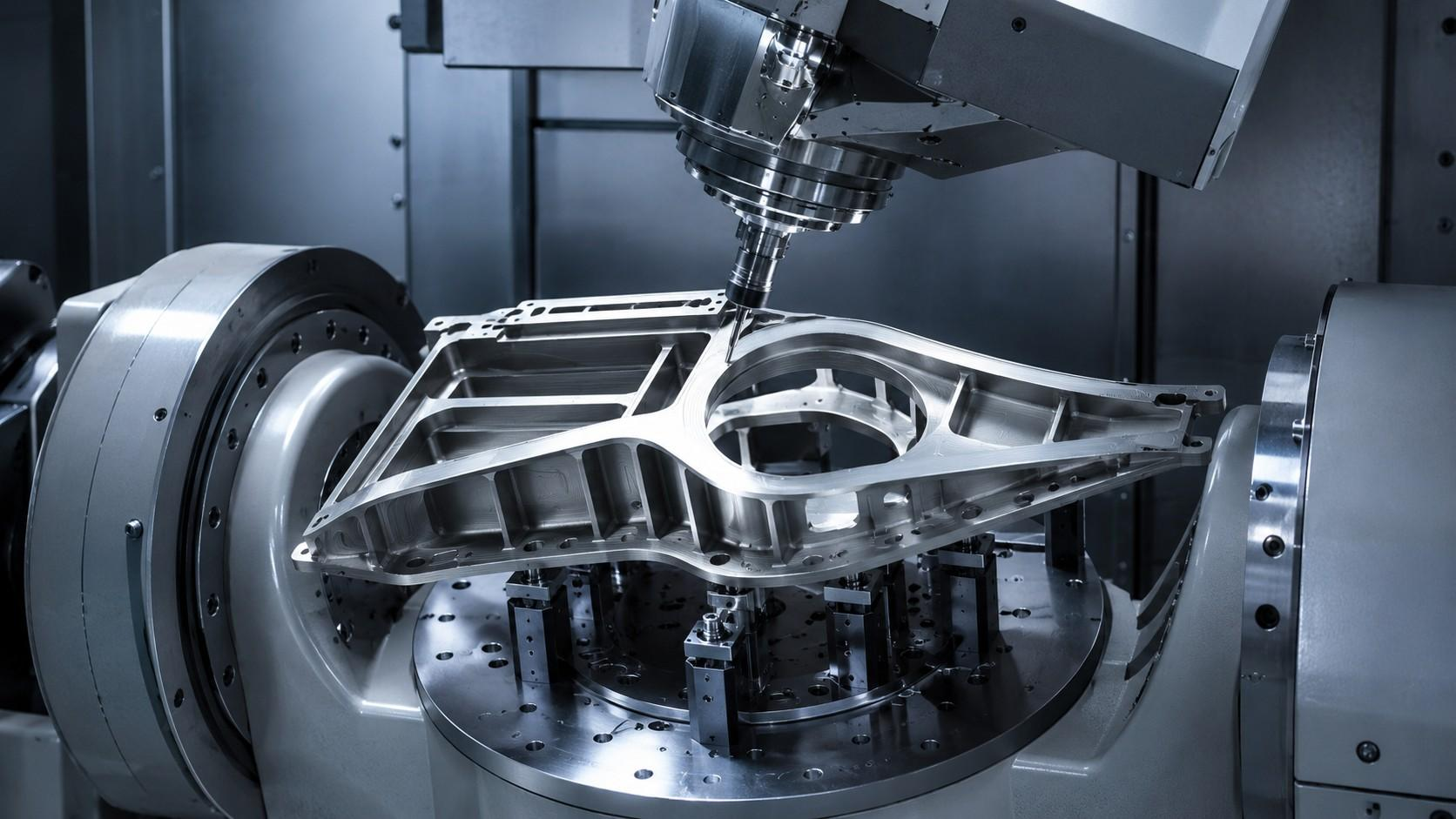
5-axis CNC machining is one of the most important technologies used in modern aerospace manufacturing.
Compared with traditional 3-axis machining, 5-axis machining allows the cutting tool to move along five different axes simultaneously, enabling the production of complex curved surfaces and precision features in a single setup.
Advantages of 5-Axis CNC Machining:
- Complex geometry machining Capable of manufacturing aerospace parts with free-form surfaces, angled holes, and intricate structures.
- Higher accuracy Reduces repositioning errors by minimizing multiple setups.
- Improved surface finish Provides smoother machining results on complex aerospace surfaces.
- Shorter lead time One-time clamping reduces production steps and improves efficiency.
Typical applications include:
- Aircraft brackets
- UAV structural components
- Engine support parts
- Landing gear components
- Satellite mounting structures
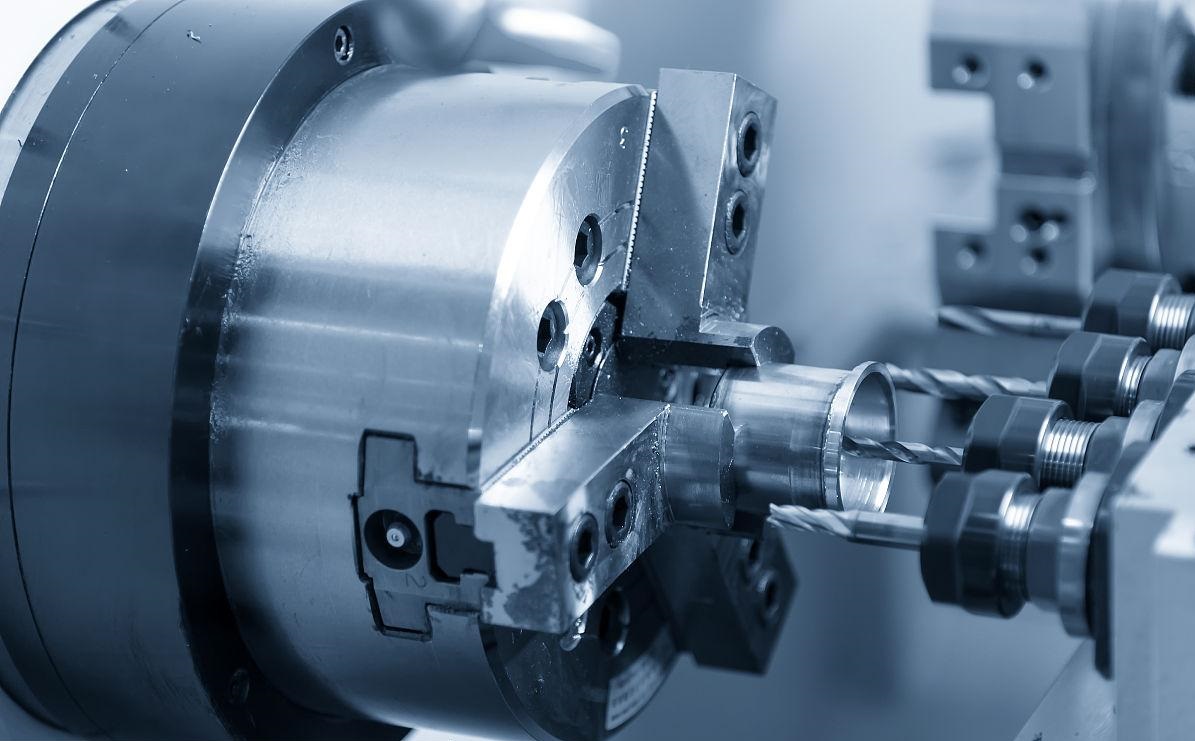
1.2 CNC Milling
CNC milling remains one of the most widely used processes for aerospace parts.
It is commonly applied for manufacturing:
- Structural frames
- Mounting brackets
- Housing components
- Precision connectors
Aerospace milling requires careful control of:
- Cutting parameters
- Tool selection
- Thermal deformation
- Dimensional accuracy
For lightweight aerospace structures, manufacturers often use high-speed milling techniques to remove large amounts of material while maintaining structural strength.

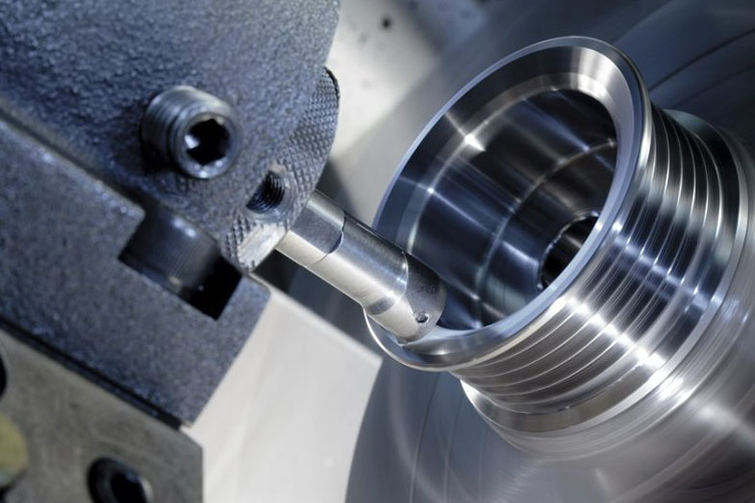
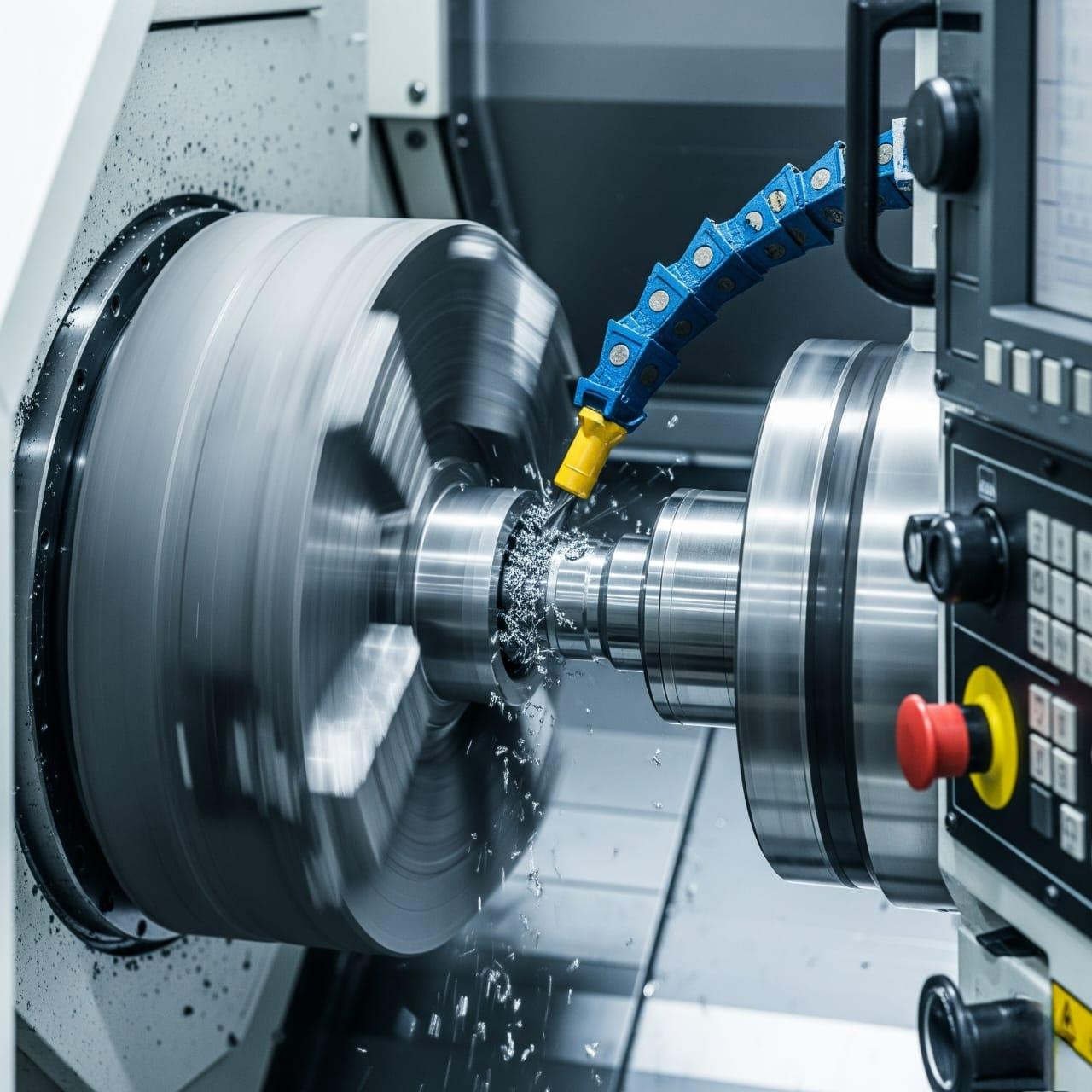
1.3 CNC Turning
CNC turning is mainly used for aerospace components with rotational features, such as:
- Shafts
- Bushings
- Connectors
- Cylindrical precision parts
High-speed CNC turning combined with advanced inspection equipment ensures stable quality for aerospace applications.
2. Material Selection for Aerospace Parts
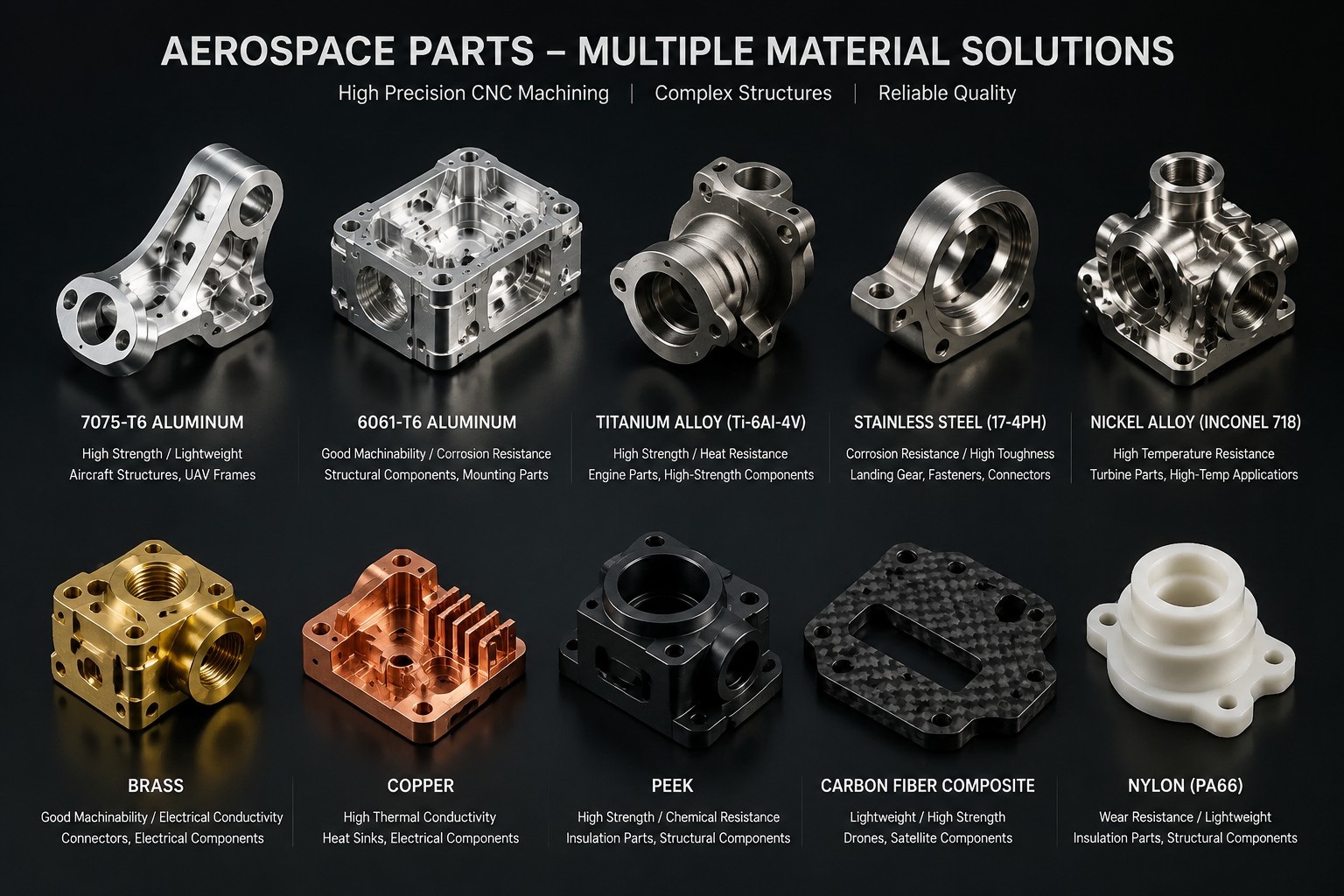
Material selection plays a critical role in aerospace manufacturing. Aerospace materials must provide excellent mechanical performance while reducing overall weight.
2.1 Aluminum Alloys
6061-T6 Aluminum
6061 aluminum is widely used because of its:
- Good machinability
- Corrosion resistance
- Balanced strength and weight
Common applications:
- UAV frames
- Aircraft brackets
- Electronic housings
7075-T6 Aluminum
7075 aluminum is known for its high strength-to-weight ratio.
Features:
- High tensile strength
- Excellent fatigue resistance
- Lightweight structure
Applications:
- Aircraft structural components
- Motorsport aerospace-style parts
- High-performance mechanical assemblies
2.2 Titanium Alloys
Titanium is widely used in aerospace applications due to:
- Extremely high strength
- Excellent corrosion resistance
- High temperature performance
However, titanium machining requires:
- Specialized cutting tools
- Controlled cutting speeds
- Proper cooling methods
Typical applications:
- Engine components
- Aircraft fasteners
- High-strength structural parts
2.3 Engineering Plastics and Composite Materials
Some aerospace applications also require lightweight non-metal materials, including:
- PEEK
- Carbon fiber composites
- High-performance polymers
These materials are commonly used for:
- Electrical insulation components
- Lightweight covers
- Precision instrument parts
3. Key Challenges in Aerospace CNC Machining
3.1 Tight Tolerance Requirements
Aerospace components often require extremely precise dimensions.
Common requirements include:
- Dimensional tolerance contro
- Accurate hole positioning
- Complex surface profile accuracy
Advanced CNC machining combined with professional inspection equipment helps maintain consistent quality.
3.2 Thin Wall and Lightweight Structure Machining
To reduce aircraft weight, many aerospace parts are designed with:
- Deep pockets
- Thin walls
- Rib structures
- Complex internal cavities
These designs improve performance but increase machining difficulty.
Manufacturers must carefully optimize:
- Tool paths
- Cutting forces
- Workholding methods
to prevent deformation during machining.
3.3 Surface Finish Requirements
Aerospace components often require excellent surface quality to improve:
- Assembly performance
- Fatigue resistance
- Functional reliability
Proper machining strategies and post-processing methods help achieve the required surface finish.
4. Quality Control in Aerospace Manufacturing
Quality inspection is a critical step in aerospace part manufacturing.
Typical inspection methods include:
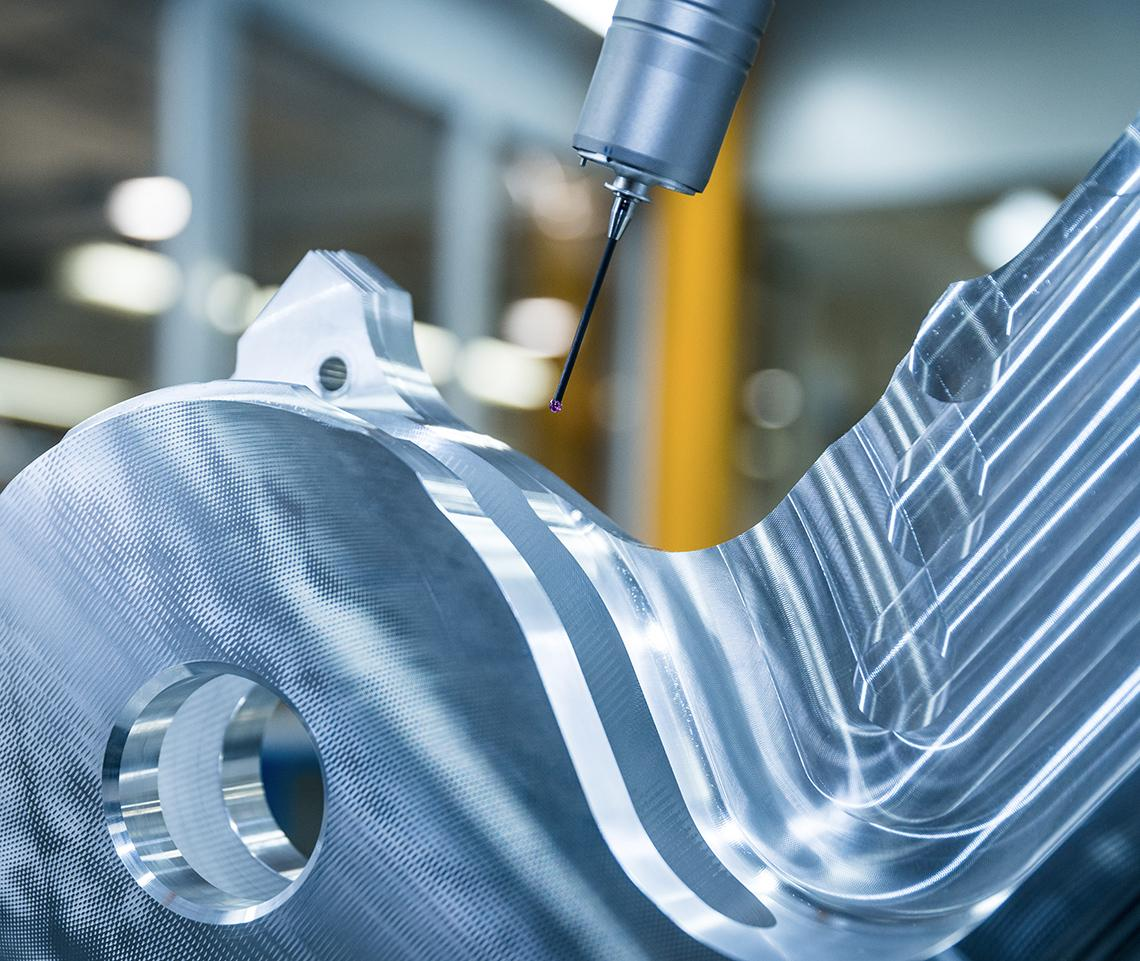
Coordinate Measuring Machine (CMM)
Used for measuring:
- Dimensional accuracy
- Position tolerance
- Geometric features
Surface Measurement
Used to verify:
- Surface roughness
- Machining quality
Material Inspection
Ensures:
- Correct material selection
- Consistent mechanical properties
A complete quality control process helps ensure aerospace components meet customer specifications and industry requirements.
5. Why Choose Professional Aerospace CNC Machining Suppliers?
Selecting the right machining partner is essential for aerospace projects.
A reliable aerospace machining supplier should provide:
✔ Advanced CNC machining capabilities
✔ Experienced engineering support
✔ Strict quality control processes
✔ Capability for complex geometries
✔ Flexible prototype and low-volume production
✔ Professional communication and technical support
From prototype development to small-batch production, professional CNC manufacturers help aerospace companies reduce development risks and improve product reliability.
Conclusion
Aerospace parts manufacturing requires a combination of advanced machining technology, high-performance materials, precise engineering, and strict quality management.
With the increasing demand for lightweight aircraft, UAV systems, and high-performance aerospace equipment, 5-axis CNC machining has become a key solution for producing complex and precision aerospace components.
At Dongguan Pincheng Model Co., Ltd., we specialize in precision CNC machining services, supporting aerospace, UAV, robotics, and high-end industrial applications with complex part manufacturing requirements.
Have an aerospace machining project? Contact us today and share your 3D drawings or CAD files for a professional manufacturing review.
Related Posts
What Factors Impact Machining Tolerances?
October 20, 2024