




CNC Machining for Robot Parts: Key Considerations and Common Materials
CNC Machining for Robot Parts: Key Considerations and Common Materials
Introduction
With the rapid development of industrial automation, collaborative robots, service robots, and intelligent robotic systems, the demand for high-precision robot components continues to grow. Robot parts often require complex geometries, lightweight structures, high strength, and extremely accurate assembly performance to ensure smooth operation and long-term reliability.
As a professional CNC precision machining manufacturer, Dongguan Pincheng Model Co., Ltd. provides high-quality CNC machining solutions for robotic components, supporting customers from prototype development to small and medium-volume production.
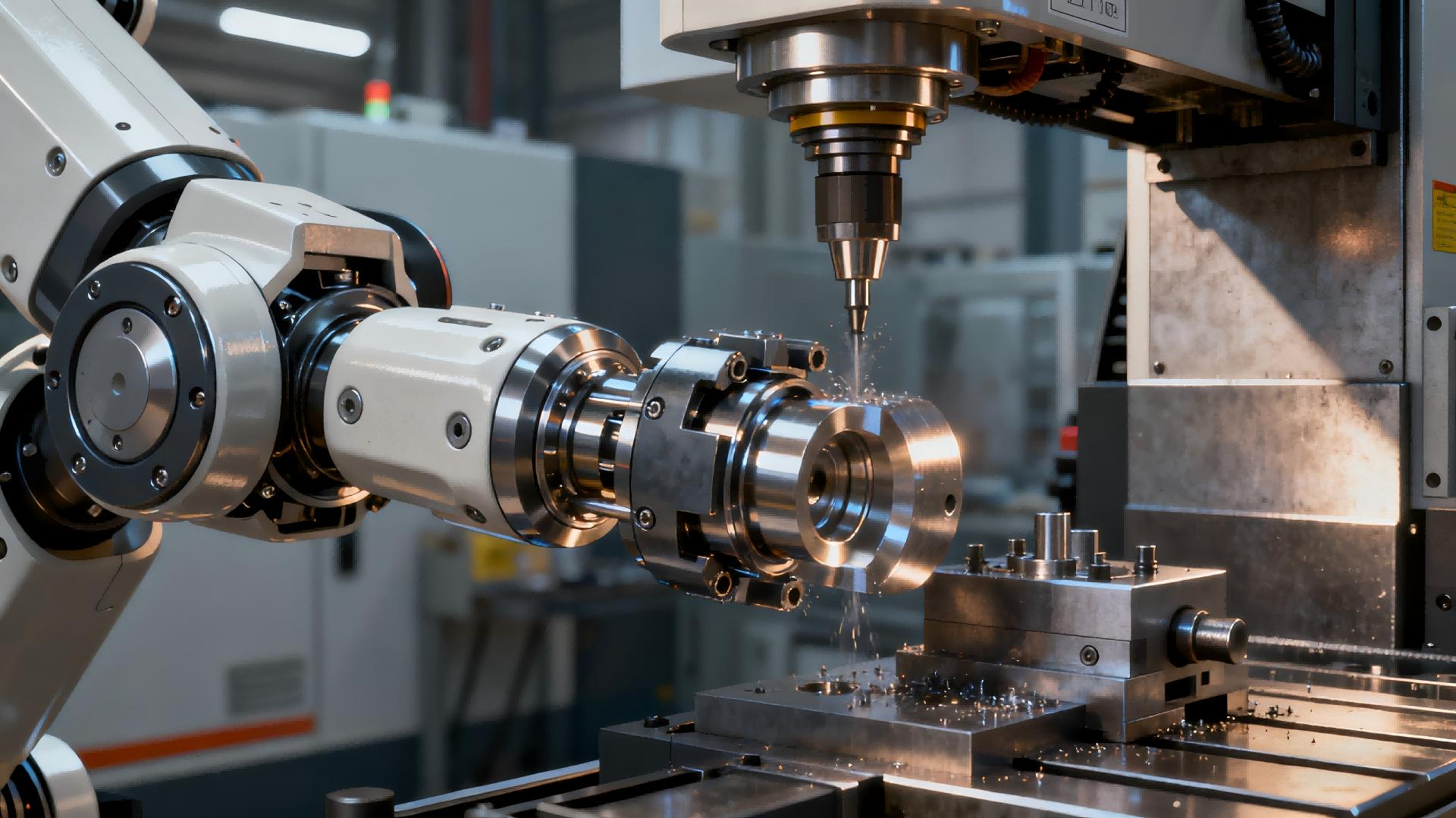
Advanced machining technologies, including 3-axis CNC machining, 5-axis simultaneous machining, and precision turning, enable the production of complex robotic parts with tight tolerances, intricate surfaces, and critical functional features.
Key Considerations for CNC Machining Robot Parts
1. Precision and Tight Tolerance Control
Robot systems typically contain multiple moving joints, transmission components, and precision connection structures. Even small dimensional deviations may affect assembly accuracy, motion stability, and overall performance.
During machining, key factors include:
- Maintaining tight dimensional tolerances
- Controlling geometric accuracy and concentricity
- Ensuring precise hole positions and mounting interfaces
- Reducing machining errors caused by multiple setups
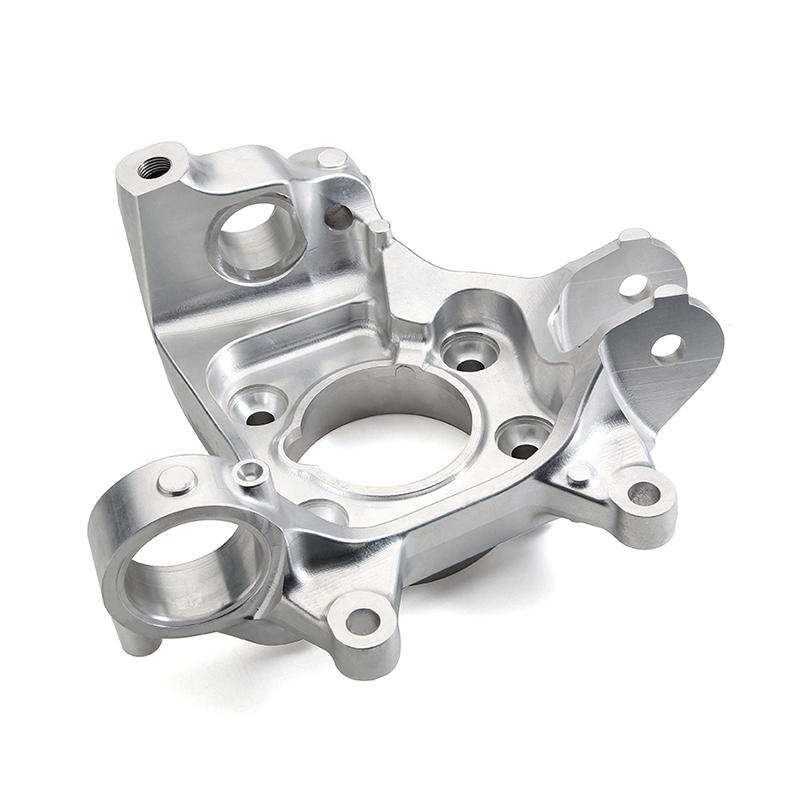
For complex robotic components, 5-axis CNC machining can complete multiple surfaces and features in a single setup, minimizing accumulated errors and improving overall accuracy.

2. Complex Geometries and Multi-Angle Features
Many robotic parts are designed with:
- Curved surfaces
- Lightweight pockets
- Thin walls
- Angled holes
- Internal cavities
- Complex mounting structures
Traditional machining methods may require multiple fixtures and repositioning, which can increase production time and reduce accuracy.
5-axis CNC machining provides greater flexibility by allowing simultaneous movement along multiple axes, making it ideal for manufacturing:
- Robot arms
- End effectors
- Joint housings
- Structural brackets
- Customized robotic mechanisms
3. Lightweight Design and Structural Strength
Weight reduction is a major consideration in robotic design, especially for:
- Collaborative robots
- Mobile robots
- UAV robotic systems
- Precision automation equipment
Engineers often use optimized structures such as:
- Pocketing designs
- Rib reinforcement
- Hollow structures
- Topology-optimized components
During machining, manufacturers must carefully balance material removal and structural strength to prevent deformation while maintaining lightweight performance.
4. Surface Finish and Functional Requirements
Many robotic components require excellent surface quality to reduce friction, improve appearance, and ensure proper assembly.
Important considerations include:
- Selecting suitable cutting tools
- Optimizing machining parameters
- Controlling vibration during cutting
- Applying proper finishing processes
Common surface treatments include:
- Anodizing for aluminum parts
- Electroless nickel plating for corrosion resistance
- Polishing for appearance and smooth contact surfaces
- Heat treatment for improved mechanical performance
5. Material Selection for Robot Components
Choosing the right material directly affects the robot's:
- Strength
- Weight
- Wear resistance
- Corrosion resistance
- Operating lifespan
Material selection should consider the working environment, load requirements, motion speed, and precision requirements.
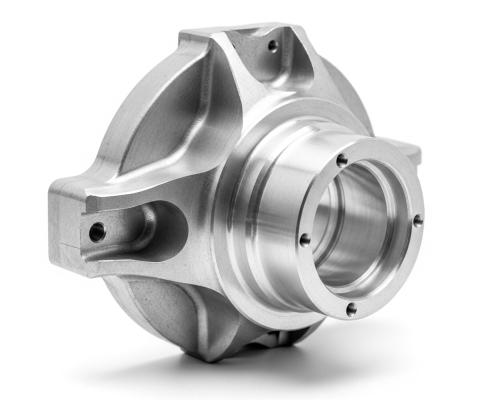
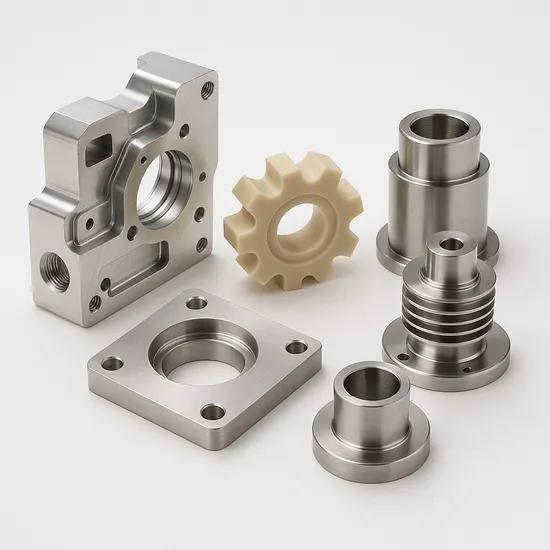
Common Materials Used for CNC Machined Robot Parts
1. Aluminum Alloys (6061-T6 / 7075-T6)
Aluminum is one of the most widely used materials for robotic components due to its excellent balance of strength, weight, and machinability.
Advantages:
- Lightweight
- High strength-to-weight ratio
- Excellent CNC machinability
- Good corrosion resistance
- Suitable for surface anodizing
Common Applications:
- Robot arms
- Structural frames
- Mounting brackets
- End-effector components
- Precision housings
7075-T6 aluminum is especially suitable for high-strength applications where mechanical performance is critical.
2. Stainless Steel (304 / 316)
Stainless steel is commonly used in robotic systems requiring durability and corrosion resistance.
Advantages:
- Excellent corrosion resistance
- High mechanical strength
- Good wear resistance
- Suitable for harsh environments
Common Applications:
- Medical robots
- Food-processing robots
- Laboratory automation equipment
- Precision mechanical components
3. Titanium Alloy (Ti-6Al-4V)
Titanium is selected for high-performance robotic applications where strength, lightweight properties, and corrosion resistance are essential.
Advantages:
- Extremely high strength-to-weight ratio
- Excellent fatigue resistance
- Superior corrosion resistance
- Suitable for demanding environments
Common Applications:
- Aerospace robotic systems
- Advanced automation equipment
- High-performance robotic joints
4. Engineering Plastics (PEEK / Delrin / Nylon)
Engineering plastics are widely used when low friction, insulation, and lightweight characteristics are required.
Advantages:
- Lightweight
- Excellent wear resistance
- Low friction coefficient
- Electrical insulation properties
Common Applications:
- Robot gears
- Sliding components
- Protective covers
- Sensor housings
5. Alloy Steel
Alloy steel is preferred for robotic components requiring high strength and wear resistance.
Advantages:
- High hardness after heat treatment
- Excellent load-bearing capability
- Good fatigue resistance
Common Applications:
- Robot shafts
- Gears
- Transmission components
- High-load mechanical parts
Why Choose 5-Axis CNC Machining for Robot Parts?
5-axis CNC machining provides significant advantages for robotic component manufacturing:
✔ Machining complex 3D surfaces efficiently
✔ Reducing multiple setups and fixture costs
✔ Improving dimensional accuracy
✔ Producing lightweight structural designs
✔ Supporting rapid prototyping and low-volume production
From prototype verification to production manufacturing, advanced CNC technology helps robotics companies accelerate product development and improve reliability.
Conclusion
Robot parts require a combination of precision, strength, lightweight design, and reliable performance. Selecting the correct material and machining process is essential for achieving high-quality robotic components.
With advanced 5-axis CNC machining capabilities, strict quality control, and flexible production support, Dongguan Pincheng Model Co., Ltd. helps robotics companies manufacture complex and high-precision components with confidence.
Whether you need a single prototype or batch production, we are ready to support your next robotic innovation.
Contact us today to discuss your robot component machining project and receive a professional manufacturing solution.

Related Posts
What Factors Impact Machining Tolerances?
October 20, 2024