




CNC Machining of Steel Parts: Key Considerations for Mold Steel and Precision Components
Steel is one of the most widely used materials in precision manufacturing due to its excellent strength, wear resistance, and durability. However, machining steel parts—especially hardened steel and mold steel—requires advanced machining strategies, suitable cutting tools, and strict process control.
For CNC manufacturers, understanding the characteristics of different steel materials is essential to achieve high precision, excellent surface finish, and stable production quality.
1. Why Steel Machining Requires Special Attention
Compared with aluminum alloys or softer materials, steel has higher hardness, tensile strength, and heat resistance. These properties make steel parts more challenging to machine.
During CNC machining, manufacturers need to carefully control:
- Cutting speed and feed rate
- Tool selection and tool life
- Cutting temperature
- Vibration and machining stability
- Surface finish requirements
- Dimensional accuracy
Incorrect machining parameters may lead to rapid tool wear, poor surface quality, deformation, or unexpected production costs.

2. Common Types of Steel Used in CNC Machining
Mild Steel
Mild steel is relatively easy to machine and is commonly used for structural parts, fixtures, and general mechanical components.
Advantages:
- Good machinability
- Lower material cost
- Suitable for prototypes and functional parts
However, it may require surface treatments such as coating or plating when higher wear resistance is needed.
Stainless Steel
Stainless steel offers excellent corrosion resistance and strength, making it popular in medical equipment, food processing, aerospace, and industrial applications.
Common challenges:
- Work hardening during machining
- Higher cutting force
- Heat accumulation around the cutting area
Proper tool selection and coolant application are critical when machining stainless steel.
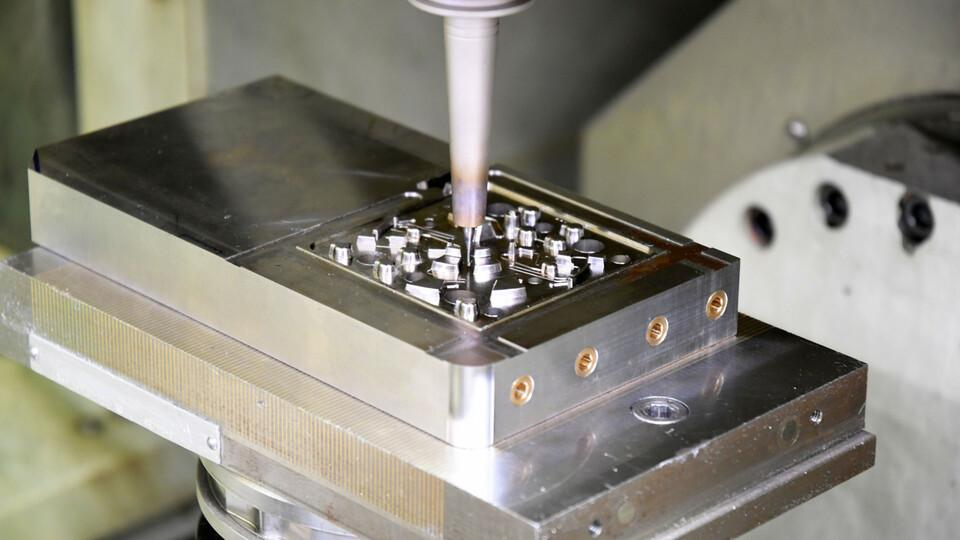
3. Machining Mold Steel: A Greater Challenge
Mold steel is widely used for injection molds, die casting molds, and precision tooling because of its high hardness, wear resistance, and dimensional stability.
Common mold steels include:
- P20 Tool Steel
- H13 Tool Steel
- S136 Stainless Mold Steel
- D2 Tool Steel
These materials provide excellent performance, but they also create challenges during CNC machining.
Key Challenges of Mold Steel Machining
1. High Material Hardness
Hardened mold steel can reach high hardness levels, making it difficult for conventional cutting tools.
To overcome this challenge:
- Use carbide or coated cutting tools
- Optimize cutting parameters
- Apply high-speed machining strategies when suitable
2. Tool Wear Control
Because mold steel is abrasive, tool wear can significantly affect machining accuracy.
Manufacturers should monitor:
- Cutting edge condition
- Tool life
- Surface quality changes
- Dimensional deviation
Replacing tools at the correct time helps maintain consistent quality.
3. Heat Management
Steel machining generates significant heat, especially during high-speed cutting.
Excessive heat may cause:
- Reduced tool life
- Surface damage
- Dimensional changes
Effective cooling methods and proper cutting strategies help maintain machining stability.
4. Importance of CNC Machining Strategy
For complex steel components, machining strategy directly affects final quality.
Professional CNC machining usually includes:
Rough Machining
The goal is to quickly remove excess material while maintaining part stability.
Important factors:
- Stable clamping
- Suitable cutting depth
- Efficient material removal
Semi-Finishing
This process prepares the part for final precision machining.
It helps:
- Reduce machining stress
- Improve dimensional control
- Create consistent finishing allowance
Precision Finishing
Finishing requires careful control of:
- Cutting parameters
- Tool condition
- Machine accuracy
This stage determines the final surface quality and tolerance.
5. Advantages of 5-Axis CNC Machining for Steel Parts
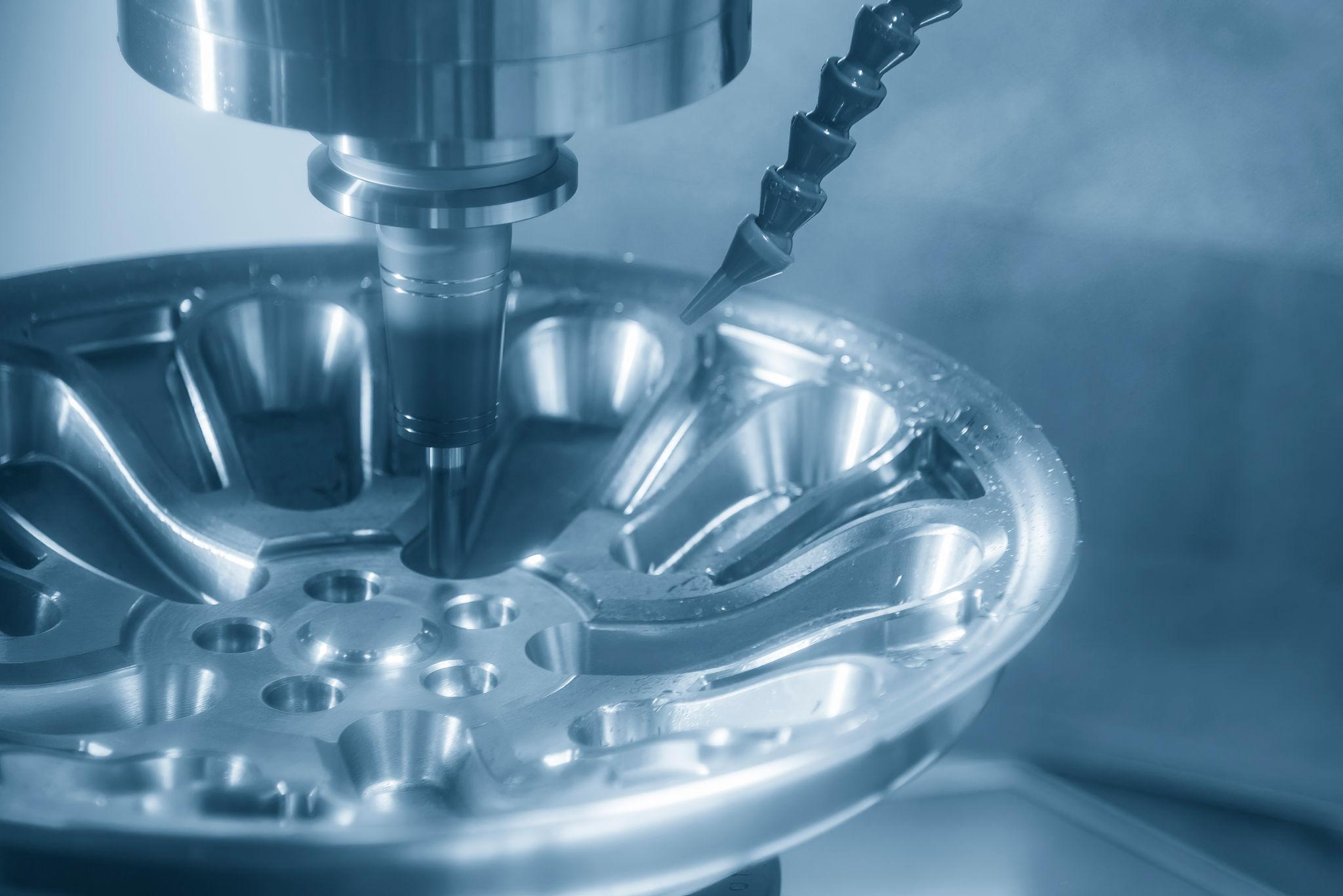
For complex steel components, 5-axis CNC machining provides significant advantages.
Compared with traditional machining methods, 5-axis machining can:
- Reduce multiple setups
- Improve machining accuracy
- Process complex curved surfaces
- Reduce accumulated positioning errors
- Improve surface finish quality
This is especially valuable for:
- Mold components
- Aerospace steel parts
- Precision mechanical components
- Complex industrial tooling
By completing multiple machining operations in one setup, manufacturers can achieve higher efficiency and better consistency.
6. Quality Control During Steel Machining
Precision inspection is essential for steel components.
Typical inspection methods include:
- Coordinate Measuring Machine (CMM)
- Height gauge measurement
- Surface roughness testing
- Hardness testing
- Visual inspection
A complete quality control process ensures that every component meets customer requirements.
7. Tips for Choosing a Reliable Steel CNC Machining Partner
When selecting a CNC machining supplier, consider:
Manufacturing Capability
Does the supplier have:
- Advanced CNC machines?
- 5-axis machining capability?
- Experience with difficult materials?
Engineering Support
A professional supplier should provide:
- DFM suggestions
- Material recommendations
- Machining optimization
Quality Management
Reliable suppliers should have:
- Strict inspection procedures
- Traceable production processes
- Stable delivery performance
Conclusion
Machining steel parts, especially mold steel components, requires professional experience, advanced CNC technology, and careful process control.
From material selection and tool optimization to precision inspection, every step influences the final performance of the component.
With advanced 5-axis CNC machining technology and experienced engineers, manufacturers can produce complex steel parts with high accuracy, excellent surface quality, and reliable performance for demanding industries.
Need a reliable partner for complex steel CNC machining projects?
Contact Pincheng Model for professional precision machining solutions.
Related Posts
What Factors Impact Machining Tolerances?
October 20, 2024