




CNC Machining Process Analysis for Different Materials
In precision manufacturing, material selection plays a critical role in determining machining strategy, tool choice, cutting parameters, and final part quality. Different materials behave differently under cutting forces, heat, and vibration. Understanding these characteristics is essential for achieving high accuracy, surface finish, and production efficiency.
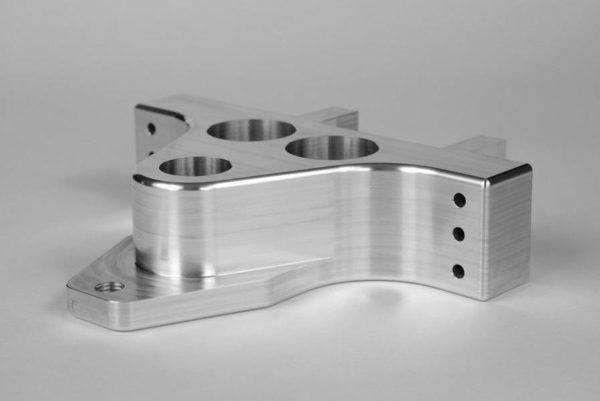
1. Aluminum Alloys – High Efficiency Machining Material
Aluminum alloys (such as 6061 and 7075) are widely used in aerospace, robotics, and consumer electronics due to their excellent machinability and strength-to-weight ratio.
Key machining characteristics:
- Low cutting resistance
- Excellent chip removal
- High spindle speed capability
- Easy heat dissipation
Recommended process strategy:
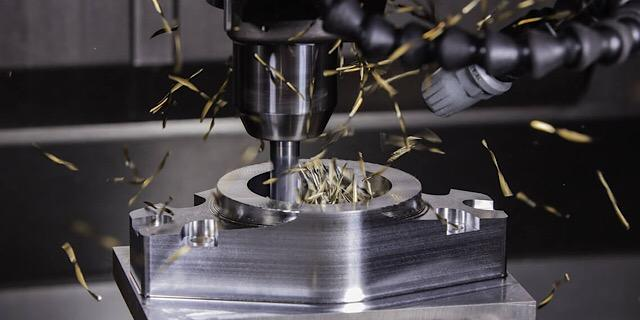
- High-speed machining (HSM)
- Sharp carbide tools with high helix angle
- Large depth of cut with high feed rate
- Air or minimal coolant for chip evacuation
Challenges:
- Surface scratching if chip evacuation is poor
- Tool wear when machining high-silicon aluminum
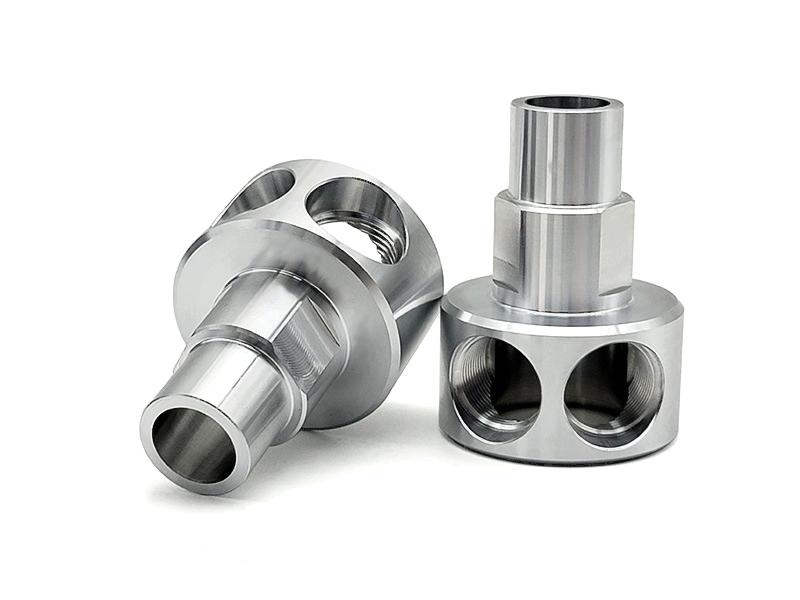
2. Stainless Steel – High Strength, High Heat Material
Stainless steel (such as SS304 and SS316) is widely used in medical devices, industrial equipment, and marine components due to its corrosion resistance and strength.
Key machining characteristics:
- High cutting resistance
- Significant heat generation
- Work hardening tendency
- Lower tool life compared to aluminum
Recommended process strategy:
- Lower spindle speed, higher torque cutting
- Strong cutting tools (coated carbide: TiAlN, AlTiN)
- Continuous cutting to avoid work hardening
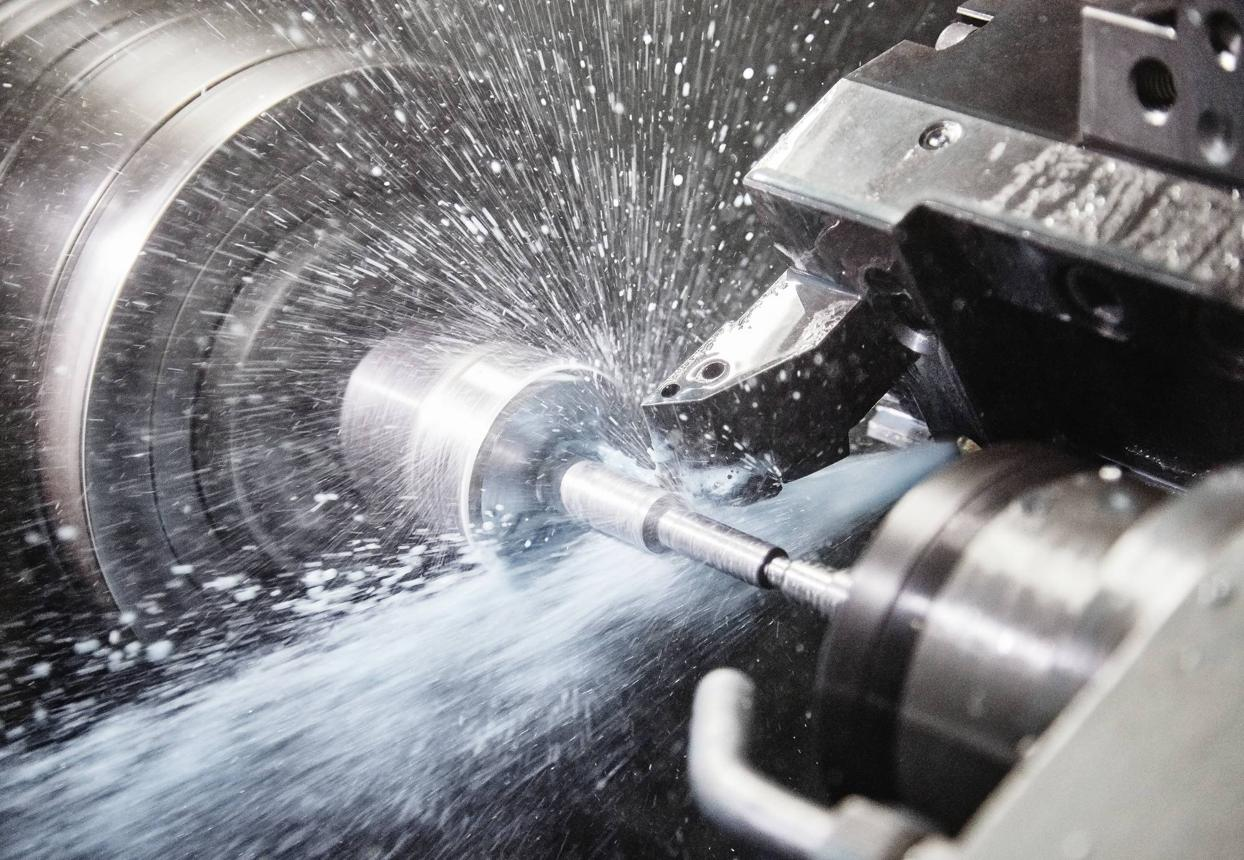
- Flood coolant for heat control
Chanlenges:
- Tool wear is fast
- Burr formation and surface hardening
3. Titanium Alloy – Difficult-to-Machine High-End Material
Titanium (such as Ti-6Al-4V) is commonly used in aerospace, medical implants, and high-performance engineering parts.
Key machining characteristics:
- Extremely low thermal conductivity
- High strength at high temperature
- Severe tool wear
- Prone to vibration and chatter
Recommended process strategy:
- Low cutting speed, high feed per tooth
- Rigid machine setup (5-axis preferred)
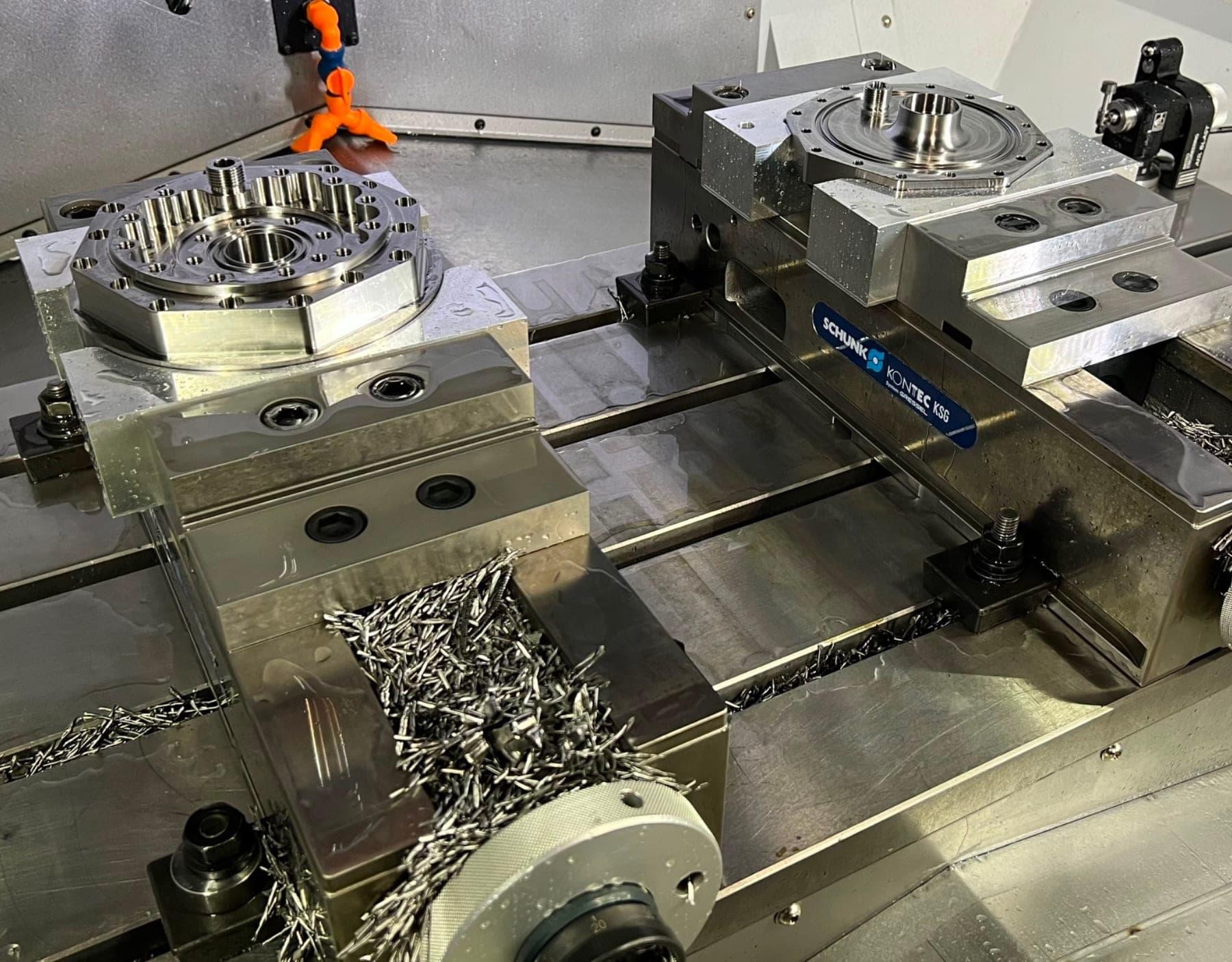
- High-pressure coolant (HPC)
- Specialized carbide or PCD-coated tools
Challenges:
- Heat accumulation at cutting edge
- Tool chipping and breakage
- Poor chip evacuation
4. Magnesium Alloy – Lightweight but Flammable Material
Magnesium alloys are used in aerospace, automotive lightweight structures, and electronics housings.
Key machining characteristics:
- Very light and easy to cut
- Low cutting force required
- Excellent machinability
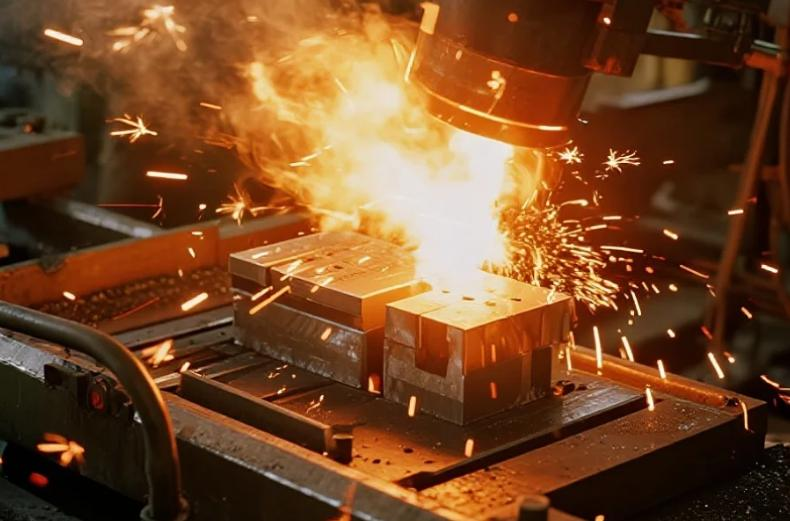
- Flammable chips under certain conditions
Recommended process strategy:
- Sharp tools with high rake angle
- Dry or controlled coolant machining
- Efficient chip evacuation system
- Anti-spark safety control
Challenges:
- Fire risk from fine chips
- Surface oxidation
- Tool marking if not optimized
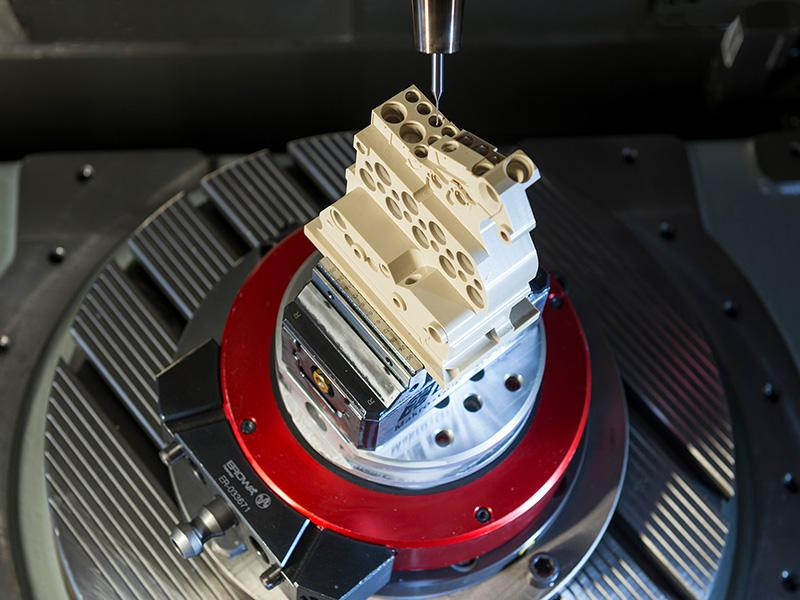
5. Engineering Plastics – High Precision Non-Metal Machining
Materials such as POM, ABS, Nylon, and PEEK are widely used in robotics, insulation parts, and medical devices.
Key machining characteristics:
- Low cutting force
- Sensitive to heat deformation
- Easy to melt or burr
- Requires sharp cutting tools
Recommended process strategy:
- High spindle speed, low feed force
- Polished sharp tools to avoid melting
- Air cooling preferred over coolant (in many cases)
- Light passes for dimensional stability
Challenges:
- Thermal deformation
- Burr formation on edges
- Poor dimensional stability under heat
Conclusion
Different materials require completely different CNC machining strategies. Aluminum favors speed and efficiency, stainless steel requires stability and cooling, titanium demands rigidity and advanced tooling, magnesium requires safety awareness, and plastics require thermal control.
A professional machining system always balances:
- Material properties
- Tool selection
- Cutting parameters
- Machine rigidity
- Cooling strategy
Mastering these differences is the key to achieving high precision, stable quality, and efficient production in modern CNC manufacturing.
Related Posts
What Factors Impact Machining Tolerances?
October 20, 2024