




CNC Machining Surface Finishes: A Complete Guide to Surface Treatment for Precision Parts
Introduction
CNC machining can produce highly accurate and complex components, but machining is often only the first step in achieving the final performance and appearance of a part.
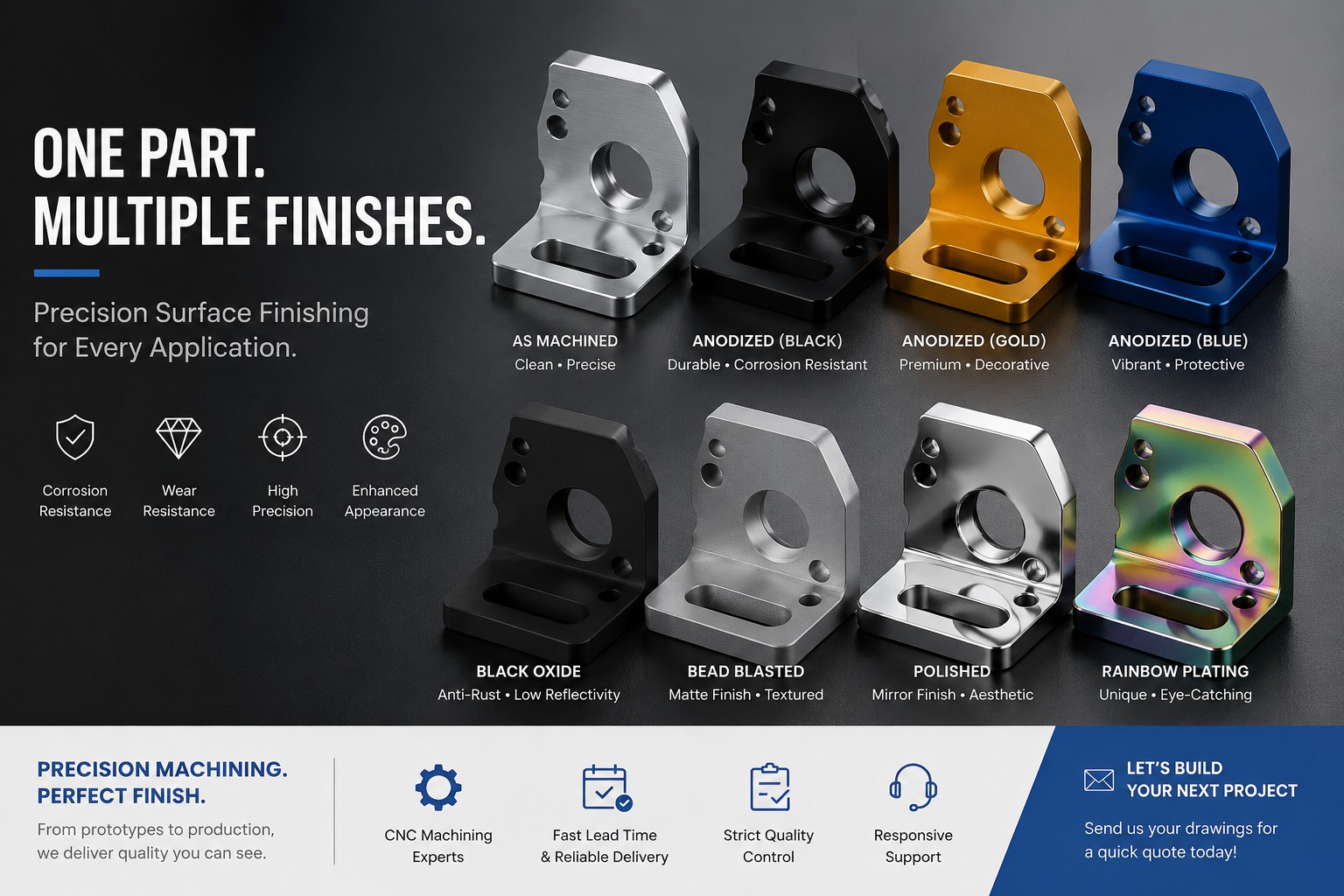
Surface finishing can significantly influence a machined component's corrosion resistance, wear resistance, appearance, surface texture, friction, electrical properties and service life. The right surface treatment can also help a component meet specific functional or cosmetic requirements.
Different materials and applications require different finishing solutions. For example, anodizing is commonly used for aluminum, passivation is widely applied to stainless steel, while black oxide and plating are frequently selected for steel components.
In this guide, we introduce several common surface finishes for CNC machined parts and explain their key advantages, characteristics and typical applications.
1. As-Machined Finish
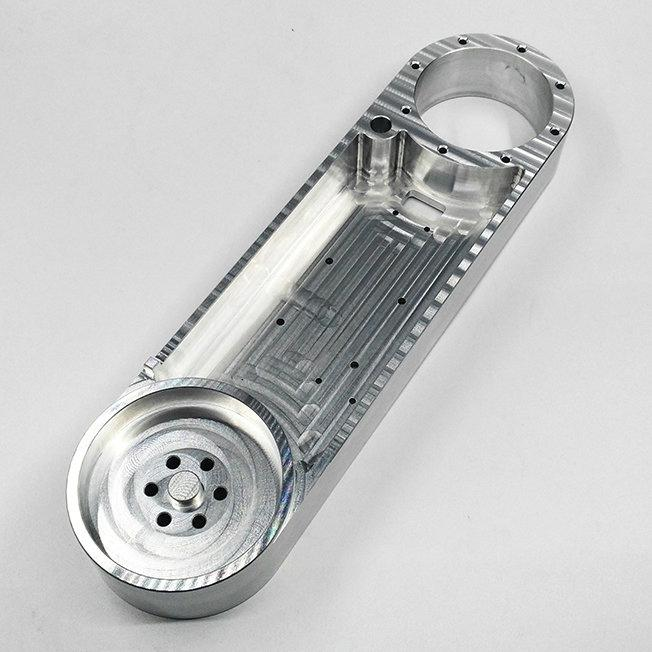
As-machined is the surface condition directly produced by the CNC machining process, without additional cosmetic or protective treatment.
Key Features
- Visible machining tool marks
- Maintains the original material appearance
- No additional coating thickness
- Fast and cost-effective
- Suitable for functional internal components
Advantages
The biggest advantage of an as-machined finish is that it does not introduce an additional coating layer, making it suitable for components where dimensional stability is important.
It is also a practical choice for prototypes, internal mechanical components and parts that will receive additional treatment during assembly.
Typical Applications
- Mechanical components
- Internal brackets
- Prototypes
- Fixtures and tooling
- Components with hidden surfaces
2. Bead Blasting
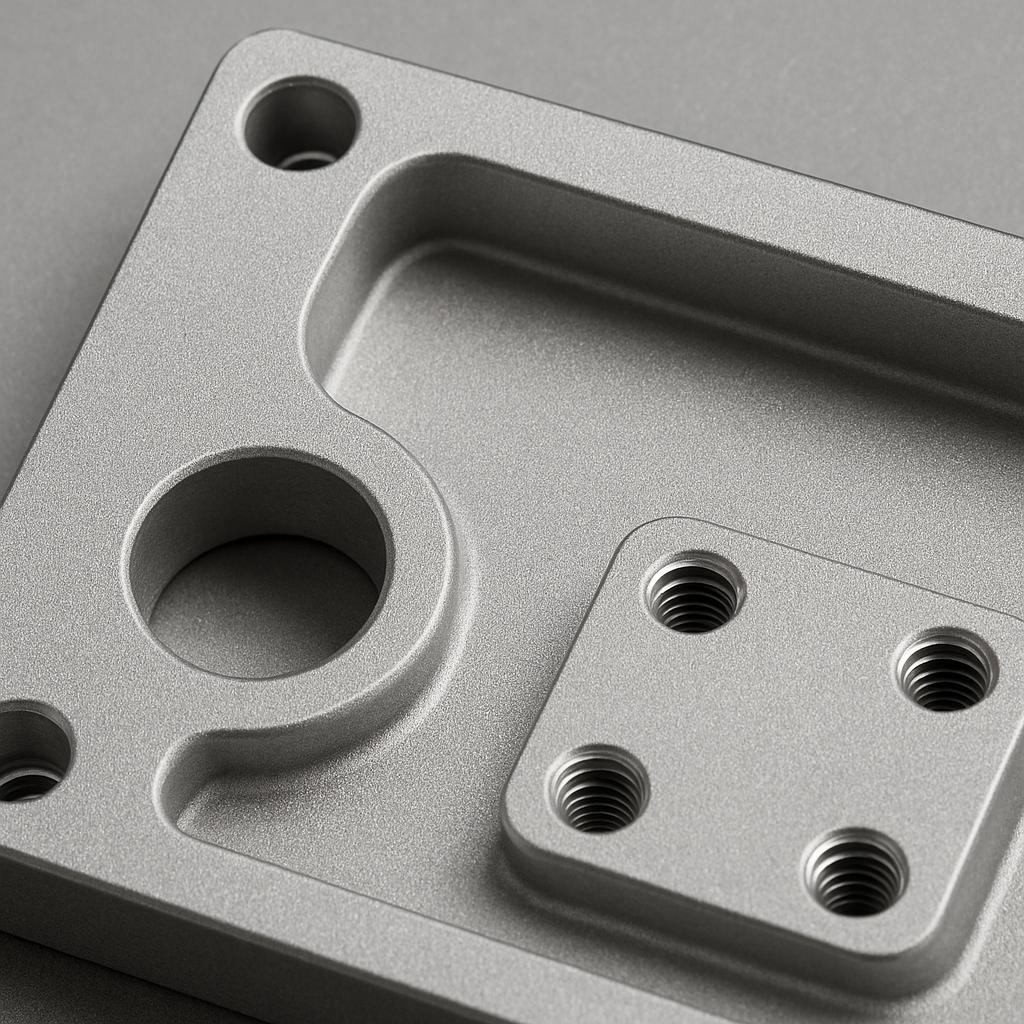
Bead blasting uses fine abrasive media to create a consistent matte or satin texture on the machined surface.
It is particularly popular when a uniform appearance is required or when visible machining marks need to be reduced. It can also be used as surface preparation before anodizing or painting.
Key Features
- Uniform matte appearance
- Reduces the visibility of machining marks
- Low-reflection surface
- Creates a consistent texture
- Suitable for many metals
Advantages
Bead blasting provides a clean, professional appearance while helping to hide minor machining marks and surface variations.
It is commonly combined with anodizing on aluminum parts to create a refined and uniform cosmetic finish.
Typical Applications
- Consumer electronics
- Aluminum housings
- Robotics components
- Automotive components
- Industrial equipment
- Product prototypes
3. Anodizing

Anodizing is one of the most widely used surface treatments for aluminum CNC machined parts.
It is an electrochemical process that forms a protective aluminum oxide layer on the surface. Unlike paint, the anodized layer is integrated with the aluminum surface rather than simply sitting on top of it.
Type II Anodizing
Type II anodizing is commonly selected for appearance, color and general corrosion protection.
Available colors can include:
- Black
- Natural / clear
- Red
- Blue
- Gold
- Custom colors
Type III Hard Anodizing
Type III, also known as hardcoat anodizing, produces a thicker and harder oxide layer and is better suited to applications requiring higher wear resistance.
Advantages
- Good corrosion resistance
- Improved surface hardness
- Excellent cosmetic appearance
- Wide range of colors
- Good wear resistance
- Suitable for aluminum components
Typical Applications
- Aerospace components
- Robotics parts
- Consumer electronics
- Automotive components
- UAV/drone parts
- Precision mechanical housings
Important: Anodizing adds a surface layer, so coating thickness should be considered when designing tight-tolerance features, holes and mating surfaces.
4. Polishing
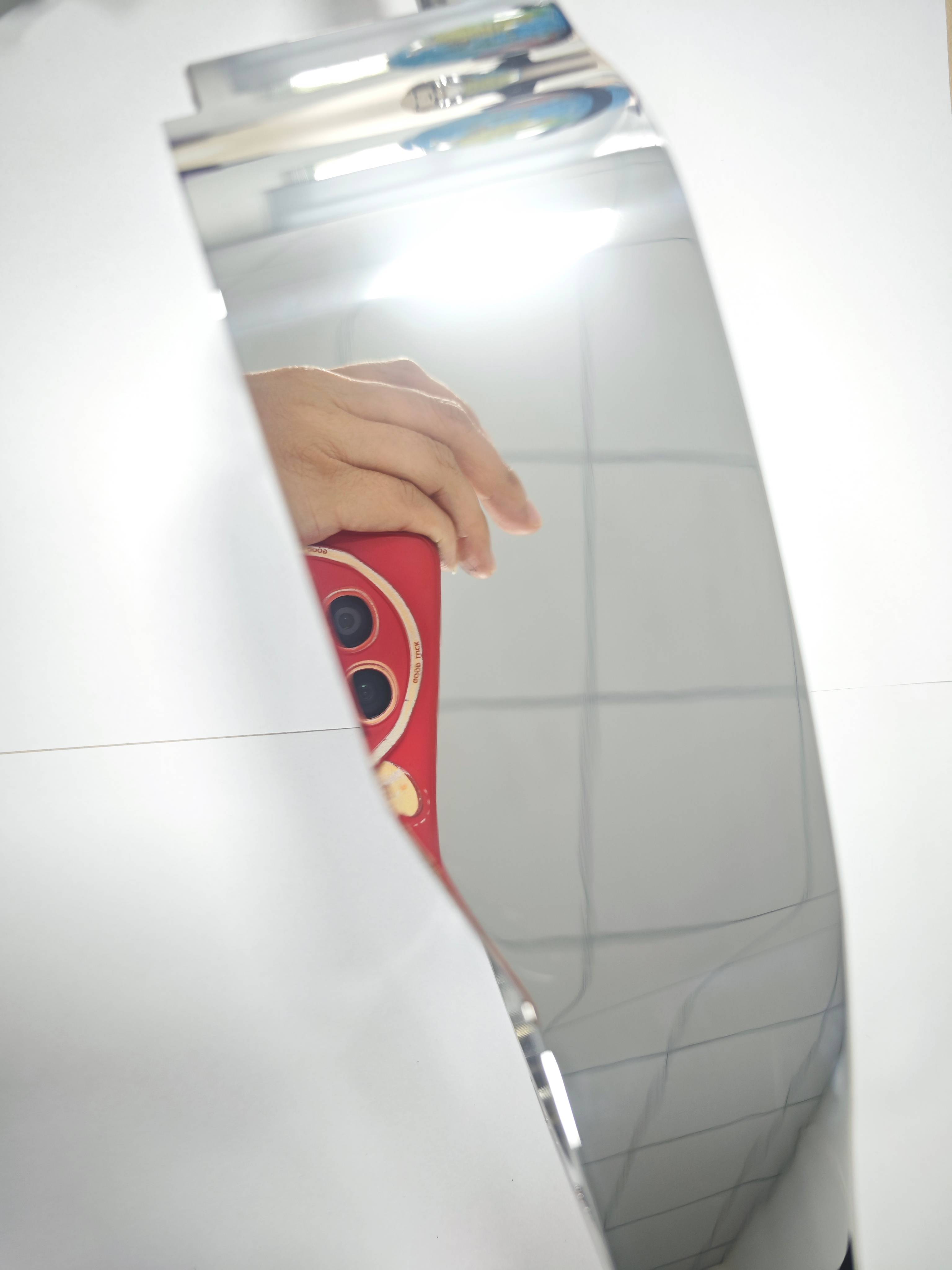
Polishing is a mechanical finishing process used to create a smoother and more reflective surface.
Depending on the required finish, polishing can range from a smooth satin appearance to a highly reflective mirror finish.
Key Features
- Smooth surface
- High-gloss appearance
- Reduced surface roughness
- Premium visual appearance
- Can improve cleanability
Advantages
Polished surfaces are particularly useful when appearance, smoothness or cleanability is important. Mirror polishing is often used for high-end components and applications where surface quality is highly visible.
Typical Applications
- Medical equipment
- Optical components
- Consumer products
- Decorative components
- Stainless steel housings
- Mold and tooling components
5. Brushing
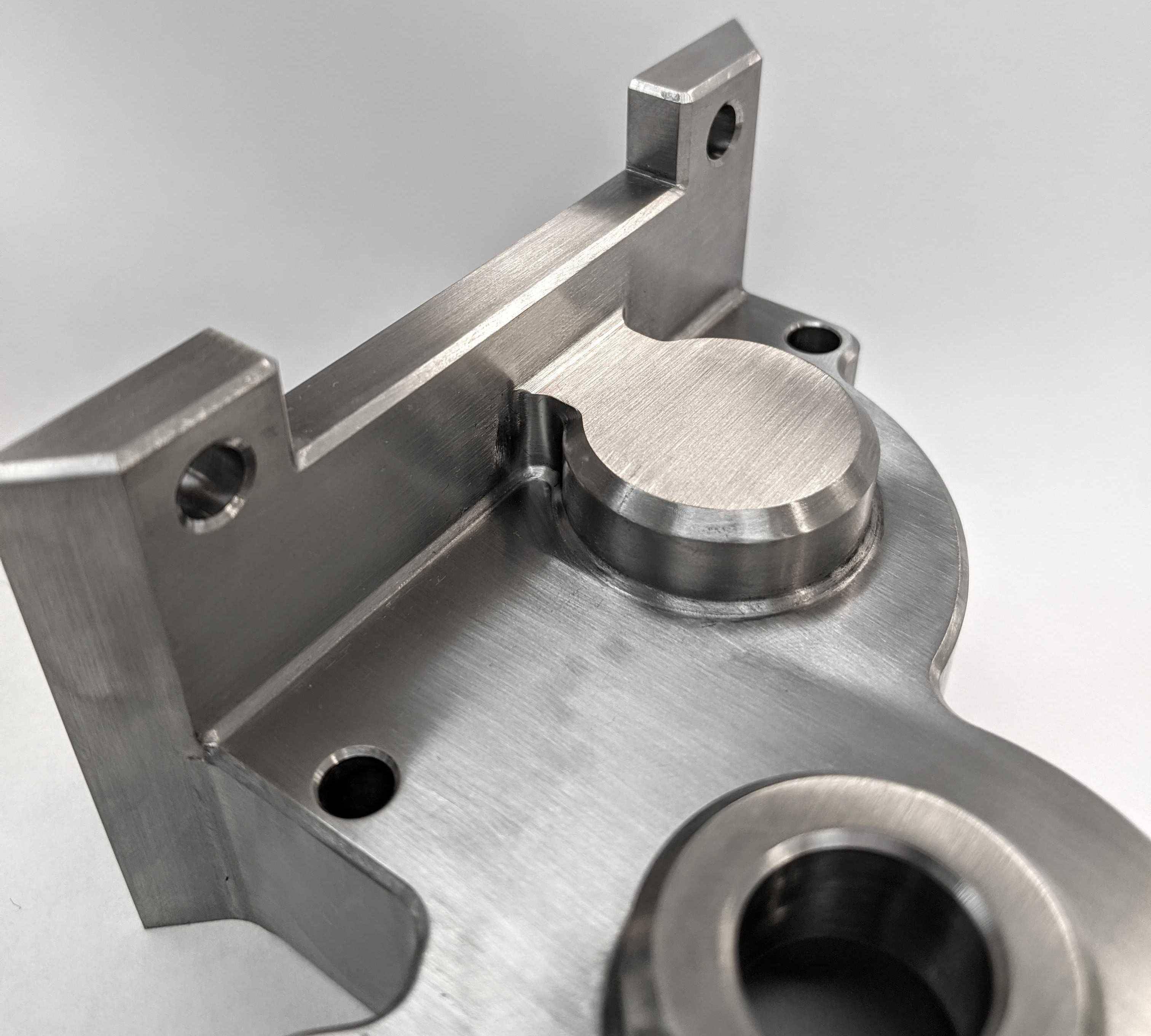
Brushing creates a directional satin texture with fine, consistent lines across the surface.
Unlike polishing, which aims for a highly smooth or reflective surface, brushing intentionally creates a controlled linear texture.
Key Features
- Directional grain
- Satin appearance
- Low to medium gloss
- Hides minor scratches
- Attractive industrial appearance
Advantages
Brushed finishes provide a clean and modern appearance while offering a practical surface that is less sensitive to minor fingerprints and scratches.
Typical Applications
- Stainless steel panels
- Aluminum enclosures
- Consumer electronics
- Architectural components
- Industrial equipment
6. Black Oxide

Black oxide is a conversion coating commonly used for carbon steel and alloy steel components.
It creates a dark black appearance with very little dimensional change, making it useful for precision mechanical parts where maintaining dimensional control is important.
Key Features
- Black matte appearance
- Minimal dimensional change
- Reduced light reflection
- Basic corrosion protection
- Suitable for steel components
Advantages
Black oxide is a cost-effective option when a dark appearance and moderate corrosion protection are required without adding a significant coating thickness.
For stronger corrosion protection, black oxide is often combined with an oil or wax sealing treatment.
Typical Applications
- Machine components
- Jigs and fixtures
- Tooling
- Fasteners
- Mechanical assemblies
7. Passivation

Passivation is primarily used for stainless steel components.
The process removes free iron and contaminants from the surface and helps restore the naturally protective chromium-oxide layer of stainless steel. Unlike plating or painting, passivation is not a conventional coating.
Key Features
- Improves corrosion resistance
- Maintains the original metal appearance
- No significant coating thickness
- Suitable for stainless steel
- Supports clean and hygienic surfaces
Advantages
Passivation is particularly useful for stainless steel components exposed to moisture, chemicals or demanding environments.
Typical Applications
- Medical devices
- Food-processing equipment
- Laboratory equipment
- Aerospace components
- Marine equipment
- Chemical-processing equipment
8. Electroless Nickel Plating
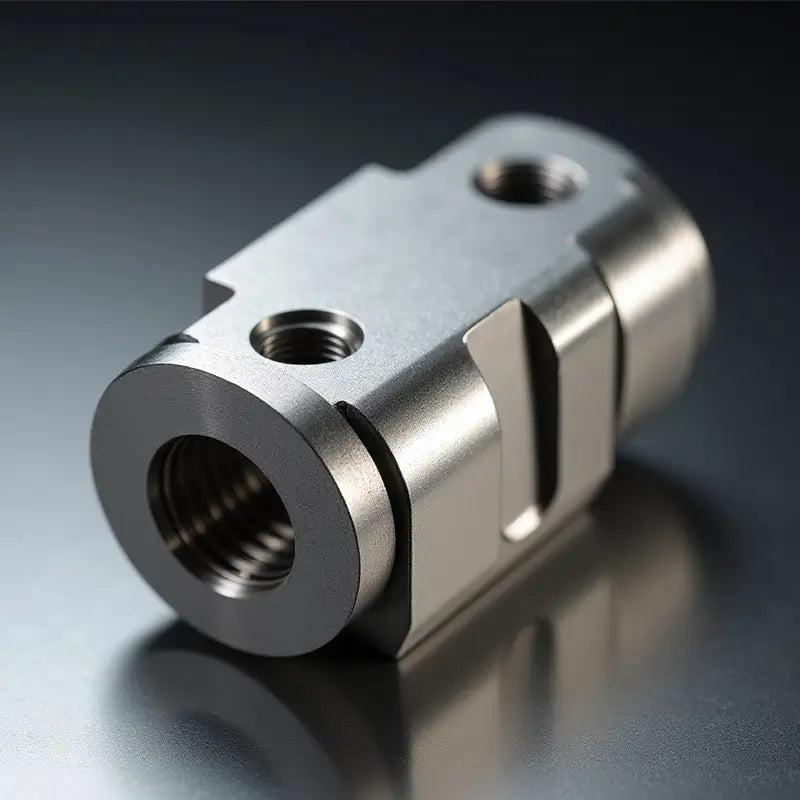
Electroless nickel plating deposits a uniform nickel layer onto the component without relying on an external electrical current.
It is useful when engineers require a combination of corrosion resistance, wear resistance and dimensional consistency. Protolabs, for example, lists electroless nickel plating as a finish suitable for aluminum and steel parts.
Key Features
- Uniform coating thickness
- Good corrosion resistance
- Good wear resistance
- Smooth metallic appearance
- Suitable for complex geometries
Typical Applications
- Precision mechanical components
- Hydraulic components
- Automotive parts
- Industrial machinery
- Aerospace components
- Wear-resistant components
9. Electroplating
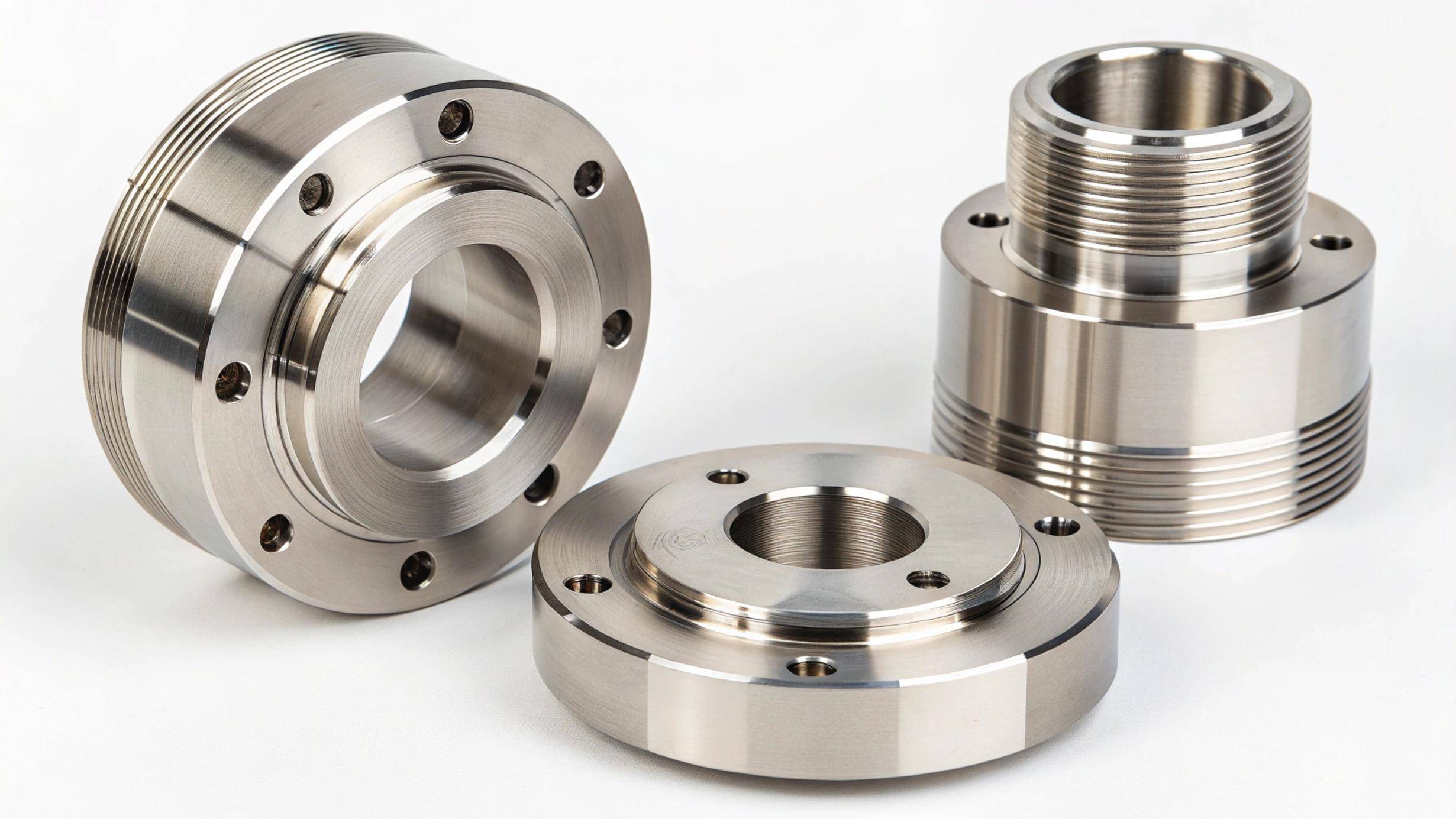
Electroplating deposits a metal layer onto the surface of a component through an electrochemical process.
Depending on the application, different plating materials can be selected to provide specific properties such as corrosion resistance, hardness, appearance or electrical conductivity.
Advantages
- Enhanced corrosion resistance
- Improved surface hardness
- Attractive metallic appearance
- Improved wear resistance
- Can provide specific electrical properties
Typical Applications
- Automotive components
- Fasteners
- Mechanical parts
- Electrical connectors
- Decorative components
10. Powder Coating
Powder coating applies a dry powder material to the surface, which is then cured to form a durable protective layer.
It is available in a wide variety of colors and textures and can provide good impact and corrosion resistance.
Key Features
- Wide range of colors
- Durable surface
- Good impact resistance
- Good corrosion protection
- Available in different textures
Typical Applications
- Equipment housings
- Machine frames
- Automotive components
- Industrial enclosures
- Outdoor equipment
Because powder coating adds measurable thickness, threads, holes, mating surfaces and precision fits should be considered during design.
CNC Surface Finish Comparison
| Surface Finish | Typical Materials | Main Advantage | Appearance | Common Applications |
|---|---|---|---|---|
| As-Machined | Aluminum, Steel, Stainless Steel | Cost-effective & dimensional stability | Machining marks | Prototypes, internal parts |
| Bead Blasting | Most metals | Uniform matte texture | Matte | Housings, cosmetic parts |
| Anodizing Type II | Aluminum | Color + corrosion resistance | Colored / metallic | Electronics, robotics |
| Hard Anodizing | Aluminum | High wear resistance | Dark gray / black | Aerospace, mechanical parts |
| Polishing | Aluminum, Stainless Steel, Steel | Smooth & reflective surface | Glossy / mirror | Medical, optical, consumer |
| Brushing | Aluminum, Stainless Steel | Satin directional texture | Brushed | Panels, housings |
| Black Oxide | Carbon / Alloy Steel | Black finish + minimal thickness | Matte black | Tooling, fixtures |
| Passivation | Stainless Steel | Corrosion resistance | Natural metal | Medical, food, marine |
| Electroless Nickel | Steel, Aluminum, etc. | Wear + corrosion resistance | Metallic | Precision mechanical parts |
| Electroplating | Various metals | Protection / appearance | Metallic | Automotive, electrical |
| Powder Coating | Aluminum, Steel | Durable color coating | Matte / textured / glossy | Industrial equipment |
How to Choose the Right Surface Finish?
Choosing a surface treatment should not be based on appearance alone. Engineers should consider the material, working environment, dimensional requirements, wear conditions, corrosion exposure and final appearance.
If you need:
✔ Color + corrosion resistance for aluminum
→ Consider Type II anodizing
✔ Higher wear resistance for aluminum
→ Consider Type III hard anodizing
✔ A uniform matte appearance
→ Consider bead blasting
✔ A premium or mirror-like appearance
→ Consider polishing
✔ A directional satin appearance
→ Consider brushing
✔ Improved corrosion resistance for stainless steel
→ Consider passivation
✔ Black appearance for steel
→ Consider black oxide
✔ High wear and corrosion resistance
→ Consider electroless nickel plating or suitable plating
✔ A thick, durable colored coating
→ Consider powder coating
The most important point is to select the finish based on the actual function of the component, rather than choosing a finish simply because it looks attractive. Surface treatment can also affect dimensions, tolerances and assembly fits, so it should be considered during the design stage.
Surface Finish and CNC Machining: Why They Should Be Considered Together
A high-quality surface finish starts with a high-quality machined surface.
Tool selection, cutting parameters, machining strategy, workholding and the condition of the machined surface can all influence the final result. For example, bead blasting and anodizing can reproduce or visually emphasize the underlying surface texture, while polishing requires additional material-removal steps.
For precision CNC components, it is therefore important to define:
- Material
- Dimensional tolerances
- Surface roughness requirements
- Surface treatment
- Coating thickness, if applicable
- Masking requirements
- Critical mating surfaces
- Cosmetic requirements
A well-defined drawing helps the manufacturer select the appropriate machining and finishing process while reducing the risk of dimensional or cosmetic issues.
Precision CNC Machining with Professional Surface Finishing
At Pincheng Model, we focus on precision CNC machining for custom components, including complex 5-axis machined parts, prototypes and low-volume production.
Our machining capabilities support demanding geometries and materials, while different surface finishing options can be coordinated according to the customer's application and drawing requirements.
Whether you need:
5-axis CNC machining + anodizing
CNC machining + bead blasting
CNC machining + polishing
CNC machining + black oxide
CNC machining + passivation
CNC machining + plating
we can help evaluate the appropriate machining and finishing solution for your project.
Related Posts
What Factors Impact Machining Tolerances?
October 20, 2024