




Strategies for Controlling Deformation in High-Precision Thin-Walled Parts
Strategies for Controlling Deformation in High-Precision Thin-Walled Parts
1. Overview of Thin-Wall Machining Deformation
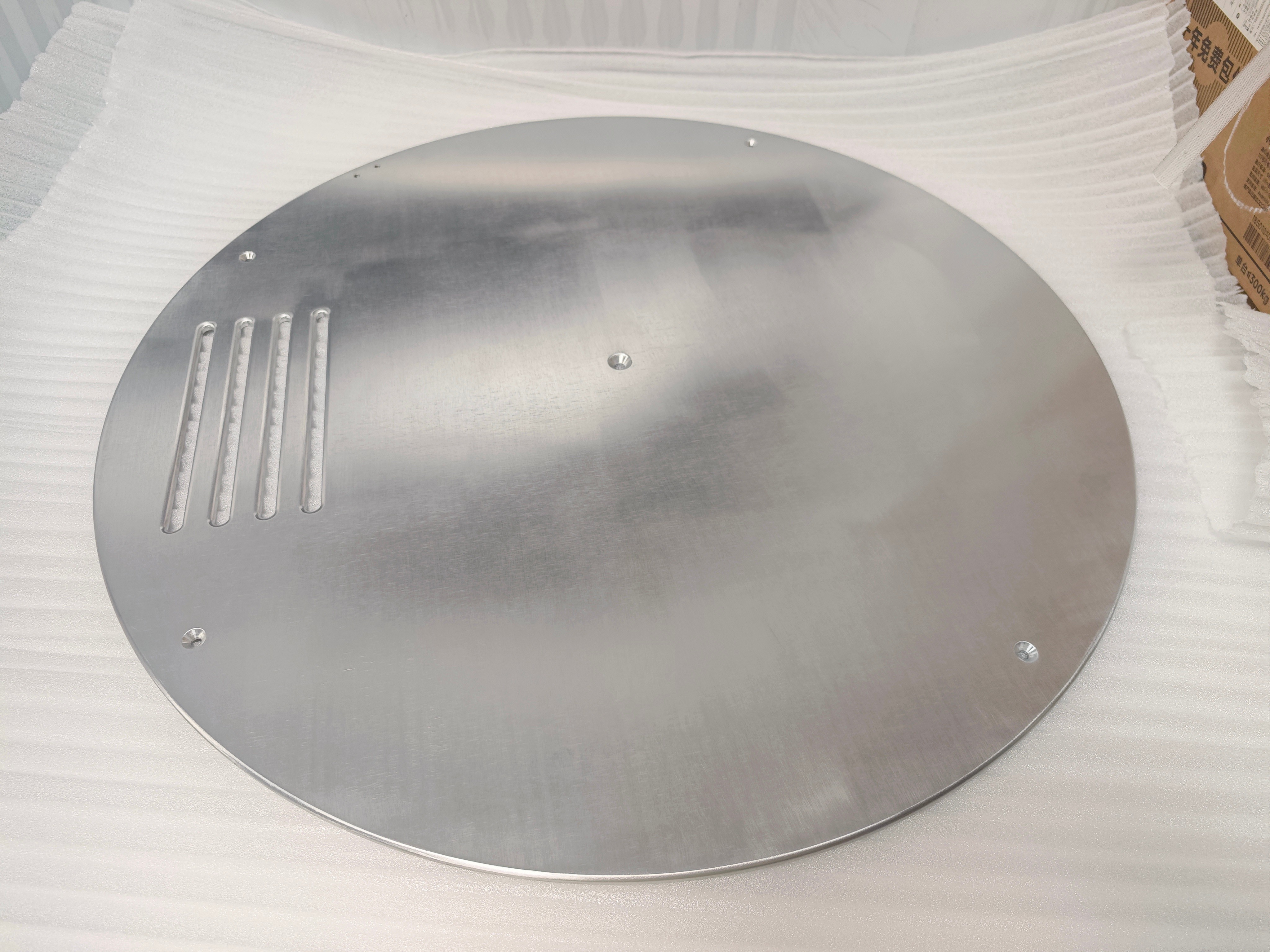
Thin-wall components are widely used in aerospace, UAV, medical, and high-end industrial equipment. However, due to their low rigidity and small wall thickness, they are highly susceptible to deformation during CNC machining.Common issues include:
- Dimensional spring-back
- Local warping
- Surface waviness caused by vibration
- Clamping-induced distortion
2. Main Causes of Deformation
(1) Insufficient structural rigidity
Thin-wall parts deform easily under cutting forces due to low stiffness.
(2) Clamping stress concentration
Improper fixturing introduces local stress, leading to permanent distortion after unclamping.
(3) Unstable cutting forces
Excess material removal or aggressive machining parameters increase vibration risk.
(4) Thermal effects
Heat generated during machining causes material expansion and dimensional drift.
3. Key Solutions for High-Precision Thin-Wall Machining
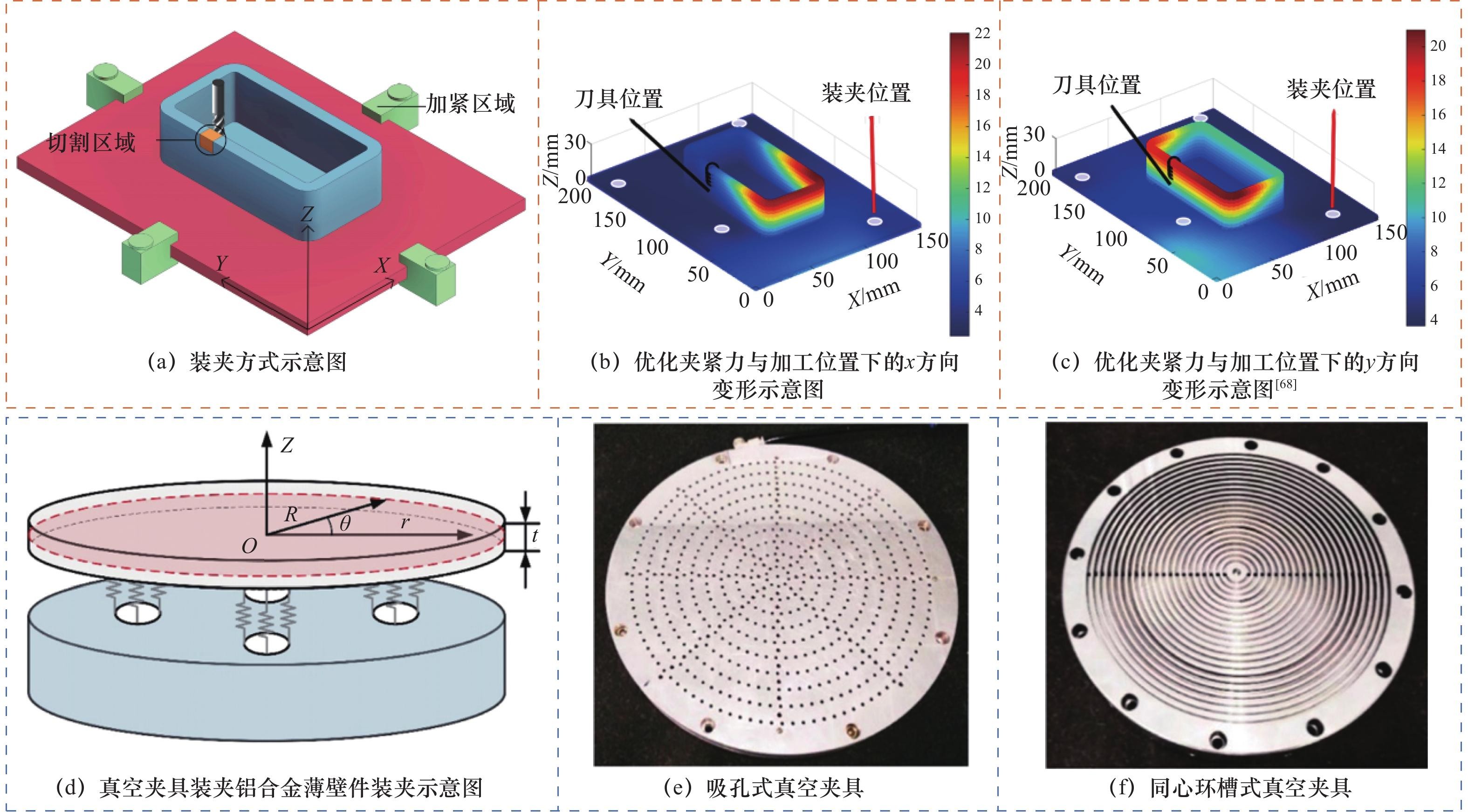
(1) Optimized fixturing system
- Vacuum fixtures or full-support tooling
- Custom soft jaws matching part geometry
- Distributed clamping force instead of point pressure
(2) Multi-stage machining strategy
- Roughing → semi-finishing → finishing
- Gradual stress release between stages
- Controlled material allowance per step
(3) Optimized tool path and cutting parameters
- Climb milling to reduce cutting impact
- Reduced radial depth of cut
- Stable feed rate control
- Small-diameter tools for lower cutting force
(4) Stress relief and thermal control
- Allow intermediate stress stabilization time
- Use cooling strategies to reduce thermal expansion
- Pre-stress relief treatment for aluminum alloys
(5) 5-axis machining advantage
5-axis simultaneous machining reduces multiple setups, minimizing cumulative errors and improving overall dimensional stability.
4. Conclusion
The key to thin-wall machining lies in force control, stress management, and process optimization.
With proper fixturing, staged machining strategy, and stable cutting parameters, deformation can be significantly reduced, achieving high precision and consistency.
Related Posts
What Factors Impact Machining Tolerances?
October 20, 2024