




Why UAV Parts Require 5-Axis CNC Machining
Why UAV Parts Require 5-Axis CNC Machining
Advantages of 5-Axis CNC in Drone Component Manufacturing
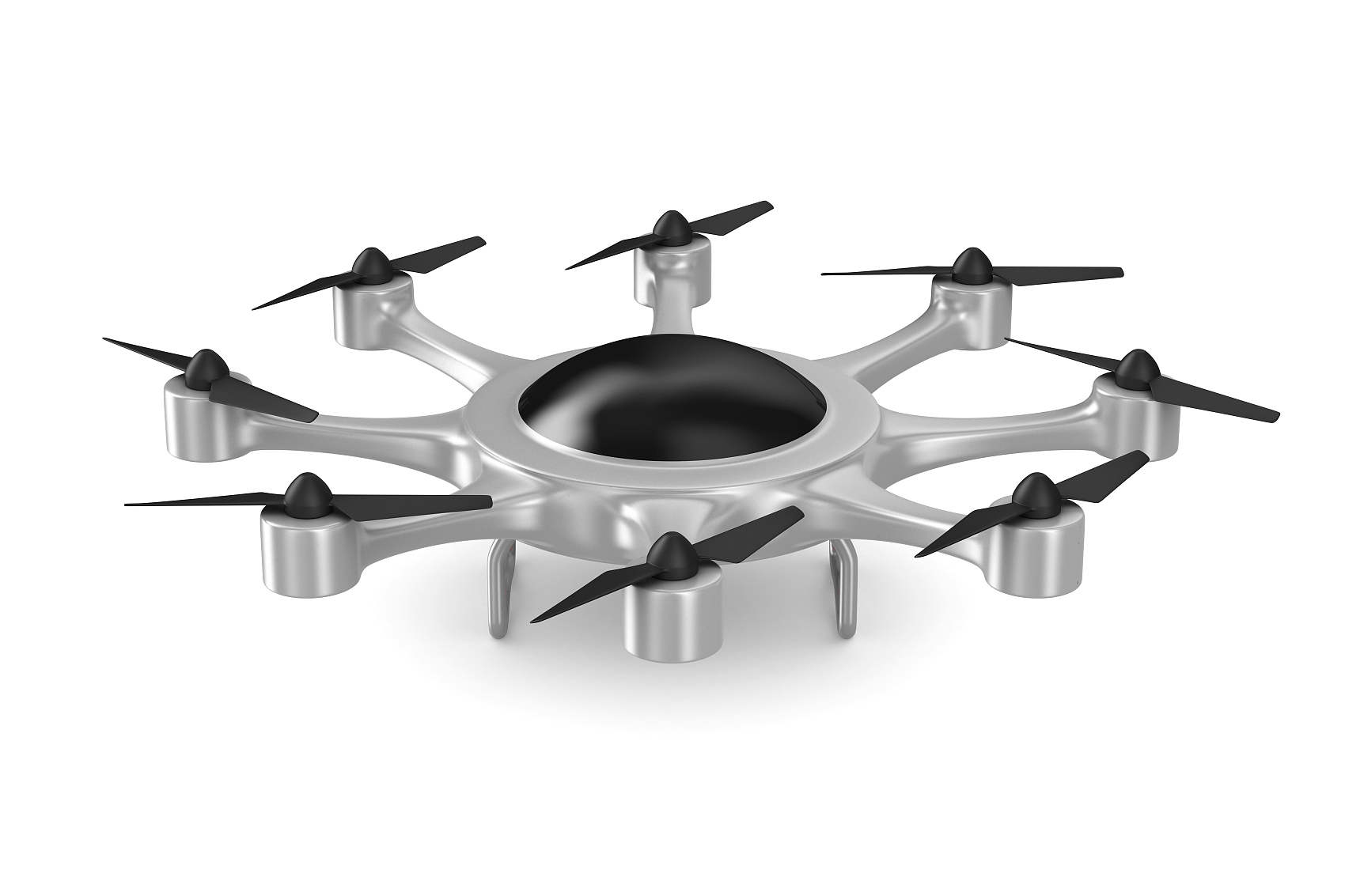
Unmanned Aerial Vehicles (UAVs), commonly known as drones, require components that combine lightweight structure, high strength, and extreme dimensional accuracy. These performance requirements make traditional 3-axis machining insufficient for many critical parts.
That is why 5-axis CNC machining has become the preferred manufacturing method for UAV components.
At Pincheng Model, we specialize in precision CNC machining for complex aerospace and UAV parts, supporting both prototyping and production-scale manufacturing.
1. Complex Geometries in UAV Design
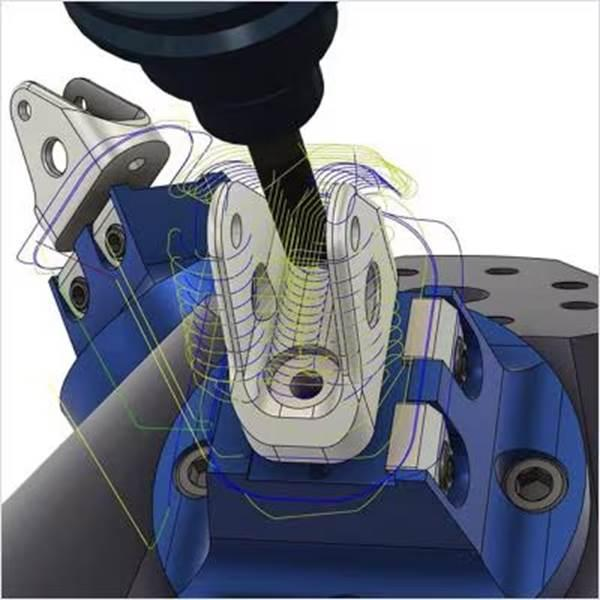
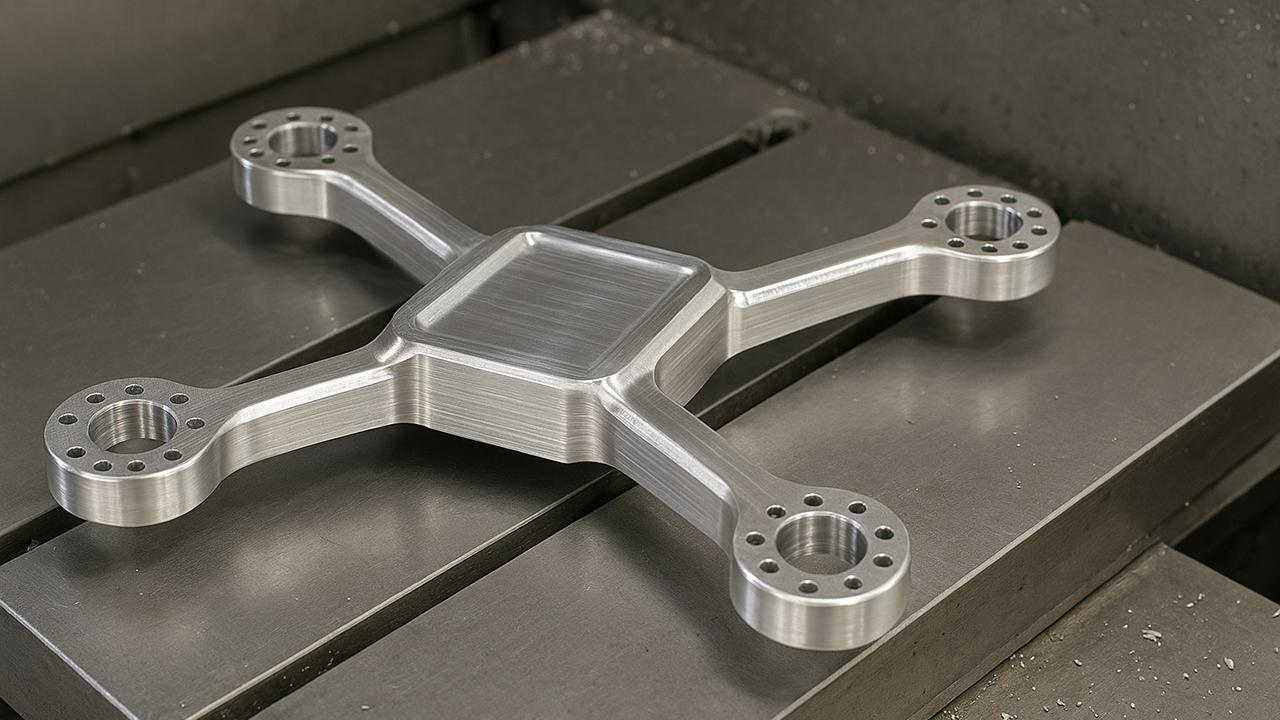
Modern drone parts are no longer simple flat structures. They often include:
- Thin-walled structures
- Deep cavities and pockets
- Multi-angle mounting surfaces
- Lightweight lattice or optimized geometry
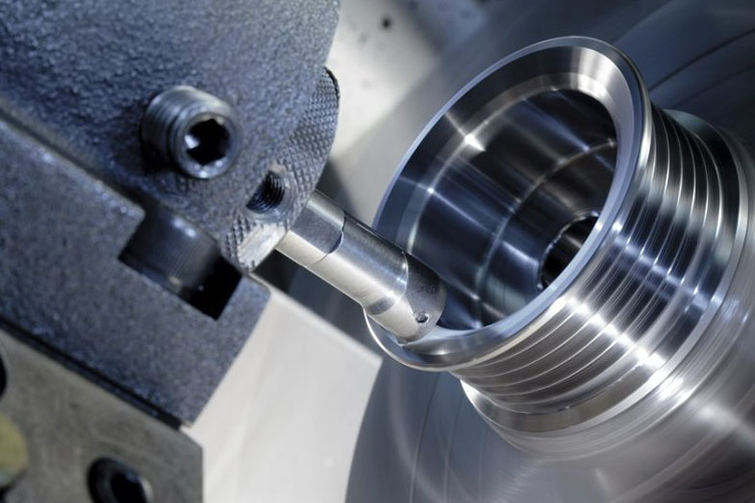
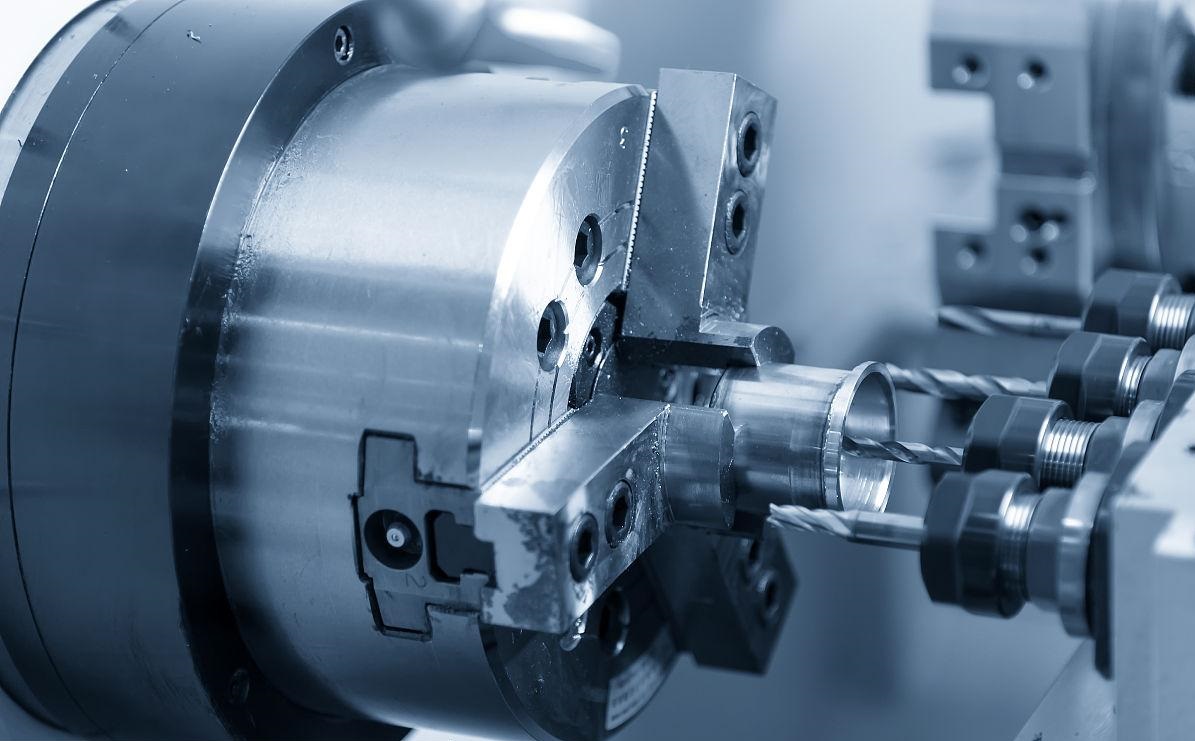
5-axis CNC machining allows the cutting tool to move along five different axes simultaneously, enabling machining of complex shapes in a single setup.
This eliminates the need for multiple re-clamping operations, reducing errors and improving consistency.
2. Higher Precision and Reduced Tolerance Stack-Up
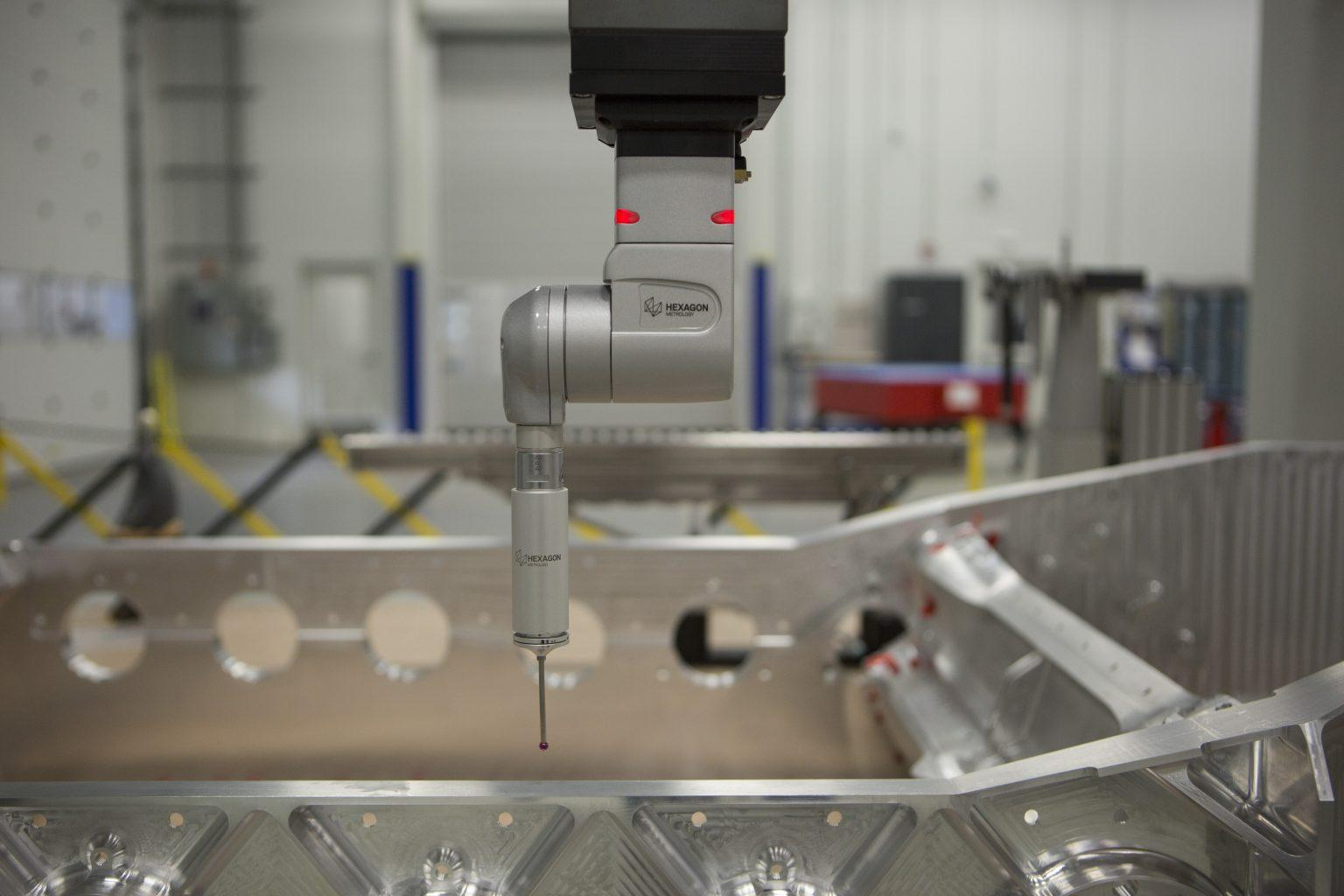
UAV performance depends heavily on part accuracy. Even minor deviations can affect:
- Flight stability
- Vibration control
- Assembly alignment
- Aerodynamic efficiency
5-axis machining reduces tolerance accumulation because the part can be completed in a single setup, minimizing repositioning errors.
Combined with in-process and final inspection systems (CMM, gauges, micrometers), it ensures consistent aerospace-level accuracy.
3. Lightweight but Strong Structures
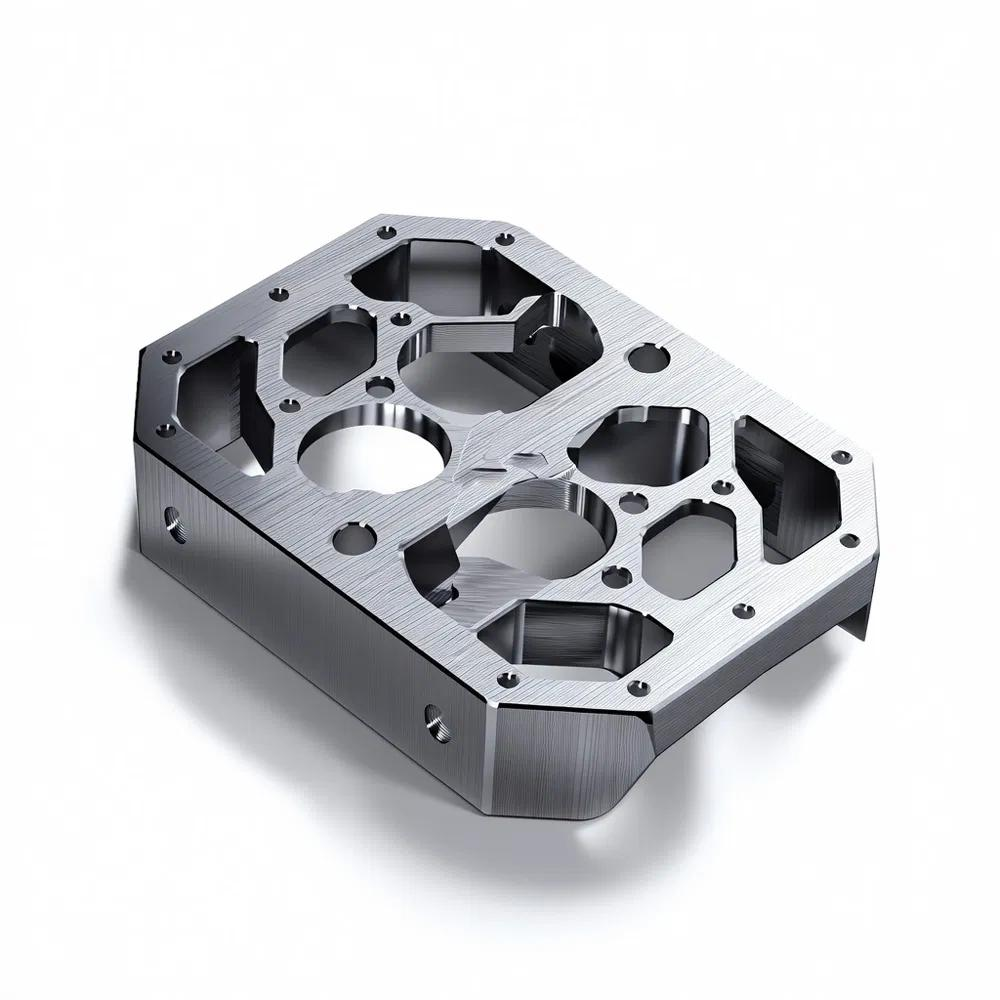
Weight is a critical factor for UAV performance.
5-axis CNC machining enables:
- Deep pocketing and material removal optimization
- High-strength aluminum (7075, 6061) machining
- Titanium and magnesium alloy processing
- Structural optimization for weight reduction
This allows manufacturers to achieve a balance between lightweight design and structural rigidity.
4. Improved Surface Finish and Tool Accessibility
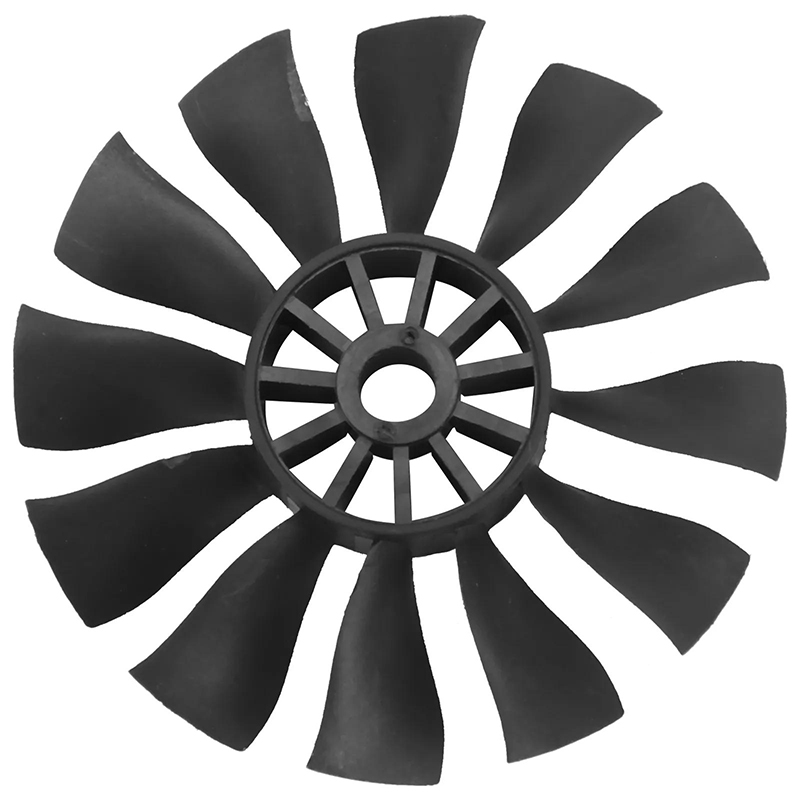
Because the cutting tool can approach the part from multiple angles, 5-axis machining significantly improves:
- Surface finish quality
- Cutting efficiency
- Access to deep or hidden features
- Tool life optimization
This is especially important for aerodynamic UAV parts where surface smoothness directly affects airflow performance.
5. Reduced Production Time and Cost Efficiency
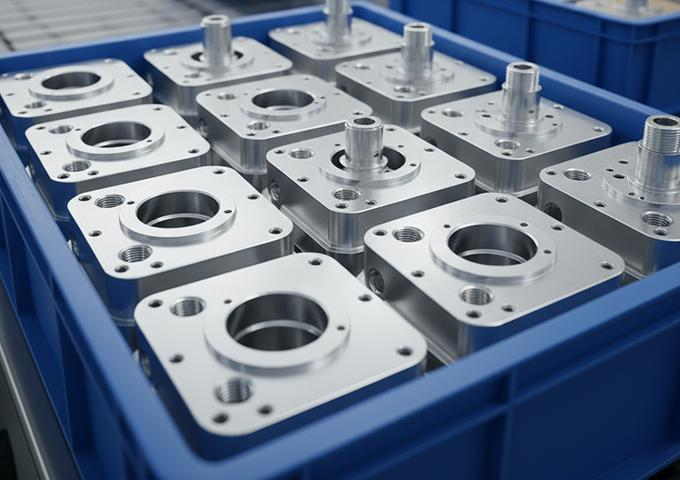
Although 5-axis machines are advanced, they actually reduce overall production cost by:
- Eliminating multiple setups and fixtures
- Reducing manual repositioning time
- Shortening machining cycles
- Lowering scrap rate
For UAV manufacturers, this means faster prototyping and more stable mass production.
Conclusion
5-axis CNC machining is not just an advanced manufacturing method—it is a core enabling technology for modern UAV engineering.
It delivers:
✔ Higher precision
✔ Better structural strength
✔ Faster production cycles
✔ Superior surface quality
✔ Capability for complex geometry
At Pincheng Model, we support UAV manufacturers from prototype development to batch production, providing reliable precision machining solutions for critical drone components.
If you are developing UAV components or aerospace parts, feel free to send us your drawings for evaluation.
We provide quick DFM feedback and manufacturing solutions.
Related Posts
What Factors Impact Machining Tolerances?
October 20, 2024